Bimetallic Wear Plates are engineered wear-resistant materials designed to protect industrial equipment from abrasion, erosion, and material loss in demanding operating environments. These plates combine two different metallic materials, typically a tough steel base and a specialized wear-resistant surface layer, to provide structural strength and improved resistance to wear. They are widely used in industries where equipment regularly handles abrasive minerals, bulk materials, and other challenging substances.
Industries such as mining, cement manufacturing, steel production, power generation, and bulk material handling use Bimetallic Wear Plates to improve equipment durability and reduce maintenance requirements. By selecting the appropriate combination of base material and wear-resistant alloy, industrial operators can extend component service life, minimize unplanned downtime, and improve overall operating efficiency.
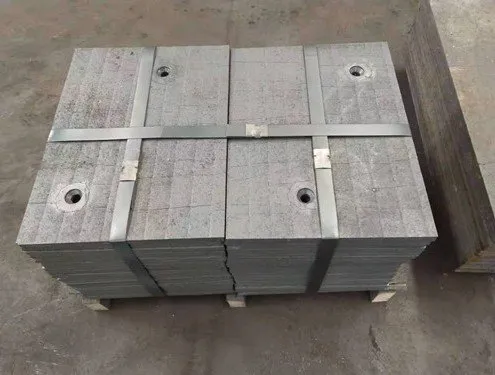
Bimetallic Wear Plates, Bimetallic Wear Plates Manufacturers, Bimetallic Wear Plates Suppliers, Bimetallic Wear Plates Stockists, Bimetallic Wear Plates Exporters
Bimetallic Wear Plates are composite metal plates manufactured by bonding two different metallic materials to achieve a combination of properties that a single material may not provide. The base layer generally supplies structural strength, toughness, and support, while the working layer is selected for its resistance to abrasion or other specific wear mechanisms.
Depending on the intended application, the wear-resistant layer may consist of chromium carbide hardfacing, a high-hardness alloy, or another specialized metallic material. Manufacturing methods can include overlay welding, cladding, or other suitable bonding processes. The choice of construction depends on the required wear performance, operating conditions, and fabrication requirements.
These plates are commonly installed in equipment exposed to sliding abrasion, abrasive particles, and continuous material movement. Their performance depends on the composition of both layers, bonding quality, thickness, hardness, and the type of wear encountered during operation.
Bimetallic Wear Plates offer several important properties that make them suitable for industrial wear protection.
One of the main advantages of Bimetallic Wear Plates is their ability to combine the properties of different metals in a single engineered product. The base material supports the plate, while the wear-resistant layer protects the working surface against the wear conditions for which it is designed.
These plates can help reduce maintenance expenditure by extending replacement intervals and protecting expensive equipment components. Their use can also reduce the need for frequent repairs in abrasive material handling systems. When selected correctly, they provide a practical solution for improving equipment availability and maintaining consistent industrial operations.
Another advantage is their adaptability to different industrial applications. Depending on the material combination and manufacturing process, Bimetallic Wear Plates can be designed for specific abrasion conditions and supplied in different dimensions. However, applications involving severe impact, elevated temperatures, corrosion, or combined wear mechanisms require careful material evaluation before selecting a plate.
Bimetallic Wear Plates in India, Bimetallic Wear Plates Manufacturers in India, Bimetallic Wear Plates Suppliers in India, Bimetallic Wear Plates Stockists in India, Bimetallic Wear Plates Exporters in India
Mining operations use Bimetallic Wear Plates in conveyor transfer chutes, crusher liners, hoppers, screening equipment, and ore handling systems. These components encounter hard minerals and abrasive particles that can rapidly damage conventional steel surfaces. Appropriate wear plates help protect critical equipment and reduce maintenance interruptions.
Cement plants use Bimetallic Wear Plates in clinker handling equipment, raw material chutes, storage bins, grinding systems, and material transfer points. The wear-resistant surface helps protect equipment exposed to abrasive limestone, clinker, cement raw materials, and other bulk solids.
Steel manufacturing facilities use wear plates in sinter handling systems, industrial hoppers, conveyor components, and material transfer equipment. Power generation facilities may use suitable bimetallic plates in coal handling systems, ash handling equipment, and other applications where abrasion can reduce component life.
Bulk material handling systems benefit from Bimetallic Wear Plates in discharge chutes, conveyor liners, storage hoppers, and transfer points. These components experience continuous contact with abrasive materials, making wear protection important for maintaining operational reliability and reducing unplanned shutdowns.
Selecting the right Bimetallic Wear Plates requires an assessment of the equipment's operating conditions and the type of wear it experiences. Important factors include the material being handled, particle size, abrasion severity, impact loads, operating temperature, and expected service life.
Consulting an experienced wear-material supplier can help identify a suitable plate construction for the application. The selected product should provide the required wear resistance without compromising structural integrity, fabrication, or installation requirements.
Bimetallic Wear Plates are engineered solutions for protecting industrial equipment against abrasive wear and material loss. By combining a supportive base material with a specialized wear-resistant layer, they can provide a useful balance of structural strength and surface protection.
These plates are widely applicable in mining, cement manufacturing, steel production, power generation, and bulk material handling. Selecting the appropriate material combination, thickness, and plate configuration can help improve equipment durability, reduce maintenance requirements, and support reliable industrial operations.
Bimetallic Wear Plates are available in different material combinations and configurations according to industrial application requirements. Exact specifications depend on the base material, wear-resistant layer, manufacturing method, and intended operating conditions.
|
Product Name |
Bimetallic Wear Plates |
|---|---|
|
Product Type |
Composite Wear-Resistant Metal Plate |
|
Base Material |
Carbon Steel or Other Suitable Steel Substrate |
|
Wear Layer Material |
Chromium Carbide Hardfacing or Other Specified Wear-Resistant Alloy |
|
Manufacturing Process |
Overlay Welding, Cladding, or Other Suitable Bonding Process |
|
Hardness |
Depends on Wear Layer Composition and Manufacturer Specifications |
|
Total Plate Thickness |
As Per Customer Requirement |
|
Base Plate Thickness |
As Per Customer Requirement |
|
Wear Layer Thickness |
As Per Customer Requirement and Product Availability |
|
Plate Width |
As Per Customer Requirement |
|
Plate Length |
As Per Customer Requirement |
|
Wear Resistance |
Selected According to Application Requirements |
|
Applications |
Mining, Cement Plants, Steel Plants, Power Generation, and Bulk Material Handling |
|
Customization |
Available According to Manufacturer Capabilities and Customer Requirements |
Actual material grades, hardness values, thickness ranges, and manufacturing tolerances should be confirmed through the manufacturer's technical documentation before ordering.
Bimetallic Wear Plates in Mumbai, Bimetallic Wear Plates Manufacturers in Mumbai, Bimetallic Wear Plates Suppliers in Mumbai, Bimetallic Wear Plates Stockists in Mumbai, Bimetallic Wear Plates Exporters in Mumbai
Bimetallic Wear Plates, Bimetallic Wear Plates Manufacturers, Bimetallic Wear Plates Suppliers, Bimetallic Wear Plates Stockists, Bimetallic Wear Plates Exporters, Bimetallic Wear Plates in India, Bimetallic Wear Plate Manufacturers in India, Bimetallic Wear Plate Suppliers in India, What Are Bimetallic Wear Plates, What Are Bimetallic Wear Plates Used For, Bimetallic Wear Plate Price, Bimetallic Wear Plate Specifications, Bimetallic Wear Plate Hardness, Bimetallic Wear Plate Thickness, Bimetallic Wear Plate Applications, Bimetallic Wear Plate Benefits, Bimetallic Steel Plates, Industrial Bimetallic Wear Plates, Wear Resistant Plates, Abrasion Resistant Steel Plates, Chromium Carbide Overlay Plates, CCO Wear Plates, Composite Wear Plates, Hardfacing Wear Plates, Bimetallic Clad Plates, Mining Wear Plates, Cement Plant Wear Plates, Heavy Duty Wear Plates, Bimetallic Wear Plate Uses, Difference Between Bimetallic and Hardfacing Wear Plates
