Carbide Wear Plates are engineered wear-resistant materials designed to protect industrial equipment from severe abrasion, impact, and material erosion. They are commonly used in industries where machinery handles hard, abrasive, or high-volume materials. Depending on the application, carbide wear plates may contain tungsten carbide or other carbide-based materials, or use carbide-rich hardfacing layers to improve surface durability and extend service life.
Hard-Tuff provides wear-resistant plate solutions for demanding industrial environments, including mining, cement production, steel processing, power generation, and bulk material handling. Selecting the right carbide wear plate depends on operating conditions, abrasive material characteristics, impact levels, temperature, plate dimensions, and the required service life.
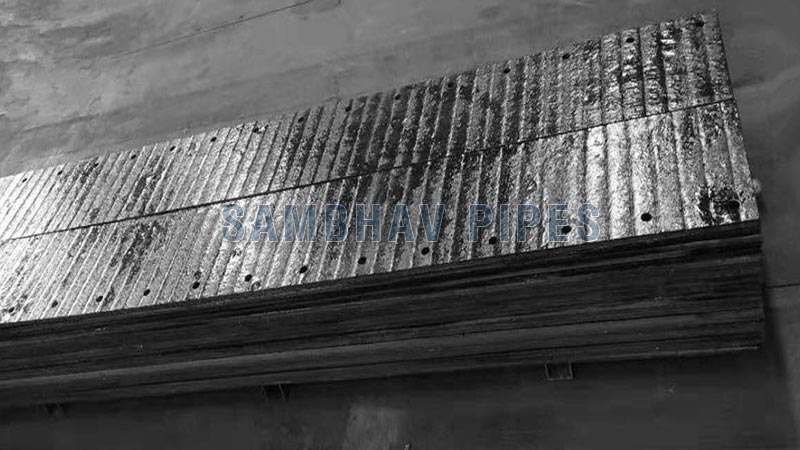
Carbide Wear Plates, Carbide Wear Plates Manufacturers, Carbide Wear Plates Suppliers, Carbide Wear Plates Stockists, Carbide Wear Plates Exporters
Carbide Wear Plates are protective plates designed with carbide-based materials or carbide-containing wear-resistant surfaces to withstand aggressive wear conditions. Carbides are hard compounds that can provide excellent resistance to abrasion when properly selected and applied. Tungsten carbide is widely known for its hardness, while chromium carbide is frequently used in wear-resistant overlays and hardfacing applications.
These plates are installed in areas exposed to continuous friction from materials such as ore, coal, limestone, cement clinker, sand, and other abrasive substances. Depending on their construction, carbide wear plates may be produced as solid carbide components, composite plates, or steel base plates with a carbide-rich overlay. Each design offers different characteristics in terms of hardness, toughness, weldability, and resistance to impact.
The appropriate plate construction should be selected according to the equipment design and operating environment. For example, applications involving sliding abrasion may require a different wear surface than equipment exposed to repeated impact or material loading.
Carbide wear plates are selected for their ability to resist material loss and protect expensive industrial equipment. Their performance depends on the carbide type, manufacturing process, base material, overlay composition, and service conditions.
One of the main advantages of carbide wear plates is their ability to protect equipment from abrasive wear. When the carbide material and plate construction are suitable for the application, they help reduce surface damage caused by continuous contact with hard particles. This protection is particularly valuable in industries that process minerals, aggregates, cement raw materials, and other abrasive substances.
Wear-resistant plates can help reduce maintenance costs by protecting equipment surfaces that would otherwise wear rapidly. Replacing a protective liner may be more economical than repairing or replacing an entire chute, hopper, conveyor component, or processing assembly. Actual savings depend on the initial plate cost, installation requirements, operating conditions, and maintenance schedule.
Premature wear can cause unplanned shutdowns, material leakage, equipment damage, and production delays. Using an appropriately specified carbide wear plate can help maintain the integrity of critical equipment surfaces and support more predictable maintenance planning. Correct installation and regular inspection remain essential for reliable performance.
Carbide-based wear protection is available in different forms to address demanding industrial applications. Depending on the material system, plates can be specified for severe abrasion, sliding wear, and selected impact conditions. Engineers should evaluate the balance between hardness and toughness to ensure that the chosen plate performs effectively under actual operating loads.
Carbide Wear Plates in India, Carbide Wear Plates Manufacturers in India, Carbide Wear Plates Suppliers in India, Carbide Wear Plates Stockists in India, Carbide Wear Plates Exporters in India
Mining operations handle abrasive materials such as iron ore, copper ore, coal, and mineral concentrates. Carbide wear plates can be used in selected chutes, hoppers, transfer points, screening equipment, and material-handling systems to help limit wear caused by continuous material movement. The appropriate construction depends on particle size, impact energy, material flow, and the level of abrasion.
Cement plants process limestone, clinker, gypsum, coal, and other materials that can cause significant wear. Carbide-based wear protection may be used in selected material transfer systems, hoppers, chutes, and processing equipment. Plate selection should account for the abrasive characteristics of the material, operating temperature, installation method, and maintenance accessibility.
Steel production and metal processing facilities use equipment that handles raw materials, slag, scrap, and other industrial substances. Suitable wear plates can help protect surfaces exposed to abrasion during material transfer and processing. Where high temperatures or heavy impact are present, the material grade and design must be evaluated carefully before installation.
Power plants and bulk material handling facilities often move coal, ash, minerals, and other abrasive materials through conveyors, transfer chutes, storage hoppers, and discharge systems. Carbide wear plates can help protect high-wear zones and reduce the need for frequent component replacement. The selected plate should match the equipment geometry, material flow, and expected operating conditions.
Manufacturing facilities may use carbide wear plates in machinery and material-handling systems exposed to abrasive products, powders, aggregates, or hard feedstock. Custom plate dimensions and configurations can help provide protection in specific wear zones. The correct design should be determined by reviewing the component layout, fixing method, and expected wear mechanism.
Carbide wear plate specifications vary according to the carbide material, plate construction, manufacturing method, and intended application. The following table provides general specification categories. Final values should be confirmed against the manufacturer's technical datasheet and the selected product grade.
|
Product Name |
Carbide Wear Plates |
|---|---|
|
Material Type |
Tungsten Carbide, Chromium Carbide-Based Materials, or Carbide-Containing Hardfacing Systems, Depending on Design |
|
Product Construction |
Solid Carbide, Composite Plate, or Carbide-Rich Overlay on a Base Plate, Depending on Product Type |
|
Base Material |
As Per Selected Product Design and Customer Requirements |
|
Hardness |
Grade- and Construction-Dependent; Confirm Using the Manufacturer's Technical Datasheet |
|
Thickness |
As Per Customer Requirement and Product Availability |
|
Length and Width |
Standard or Custom Dimensions, Subject to Product Type and Availability |
|
Surface Finish |
As Supplied or Specified for the Selected Product |
|
Manufacturing Process |
Depends on the Selected Carbide Material and Plate Construction |
|
Installation Method |
Welding, Bolting, Mechanical Fixing, or Other Approved Methods Depending on Design |
|
Applications |
Mining, Cement, Steel Processing, Power Generation, Mineral Processing, and Bulk Material Handling |
|
Customization |
Subject to Technical Requirements, Manufacturing Capability, and Availability |
Selecting the correct carbide wear plate requires an understanding of the material being processed, equipment design, and operating environment. A plate that performs well under sliding abrasion may not be suitable for severe impact or thermal cycling. Reviewing the main operating factors helps ensure the selected wear protection meets the application's requirements.
Carbide wear plates are not a single, uniform product category. Their characteristics depend on whether they are manufactured from solid carbide, produced as composite components, or supplied as steel plates with carbide-rich hardfacing. Other wear-resistant plate options may include abrasion-resistant steel plates and chromium carbide overlay plates. Each product type serves different combinations of abrasion, impact, fabrication, and cost requirements.
Abrasion-resistant steel plates may be suitable where a balance of hardness, toughness, and fabrication properties is required. Chromium carbide overlay plates are commonly selected for severe sliding abrasion and may feature a hardfacing layer deposited on a steel base plate. Tungsten carbide materials can provide very high hardness in suitable applications, but their use depends on component design, impact conditions, and cost considerations.
Before choosing between these options, compare the expected wear mechanism, available dimensions, installation method, operating temperature, repair requirements, and total service cost. A technical review with the equipment manufacturer or wear-material supplier can help identify a suitable solution.
Hard-Tuff focuses on wear-resistant solutions for industrial applications where abrasion can affect equipment reliability, maintenance costs, and production efficiency. Choosing the correct plate involves more than selecting a hard material; it requires matching the product construction to the actual wear conditions and equipment requirements.
When evaluating carbide wear plate solutions, customers should confirm product availability, material details, dimensional tolerances, technical documentation, and installation recommendations. Hard-Tuff can be contacted to discuss application requirements and determine which wear-resistant plate options may be appropriate for the intended use.
Carbide Wear Plates in Mumbai, Carbide Wear Plates Manufacturers in Mumbai, Carbide Wear Plates Suppliers in Mumbai, Carbide Wear Plates Stockists in Mumbai, Carbide Wear Plates Exporters in Mumbai
Carbide Wear Plates, Carbide Wear Plates Manufacturers, Carbide Wear Plates Suppliers, Carbide Wear Plates Stockists, Carbide Wear Plates Exporters, Carbide Wear Plates in India, Carbide Wear Plates Price, Carbide Wear Plates Specifications, Carbide Wear Plates Applications, What Are Carbide Wear Plates, What Are Carbide Wear Plates Used For, Tungsten Carbide Wear Plates, Chromium Carbide Wear Plates, Industrial Carbide Wear Plates, Carbide Wear Plate Hardness, Carbide Wear Plate Thickness, Carbide Wear Plate Benefits, Carbide Wear Plate Uses, Wear Resistant Plates, Abrasion Resistant Plates, Chromium Carbide Overlay Plates, CCO Wear Plates, Hardfacing Plates, Composite Wear Plates, Mining Wear Plates, Cement Plant Wear Plates, Industrial Wear Liners, Heavy Duty Wear Plates, Carbide Wear Plates Suppliers in India, Difference Between Carbide Wear Plates and Hardfacing Plates
