CCO Pipe Liners are wear-resistant liners made using chromium carbide overlay technology. CCO stands for Chromium Carbide Overlay, a hardfacing solution developed to protect surfaces exposed to abrasive materials and continuous friction. These liners are commonly used inside pipes, chutes, hoppers and other material transportation systems where ordinary steel surfaces may experience rapid wear.
CCO pipe liners generally consist of a steel base plate or backing material with a chromium carbide-rich hardfacing layer applied to its surface. The base provides structural support, while the overlay offers enhanced resistance to abrasion. The exact composition, hardness, thickness and manufacturing process depend on the product design and intended operating conditions.
Industries that transport minerals, cement, coal, sand, ash and other abrasive materials often require reliable internal pipe protection. Properly selected CCO Pipe Liners can help reduce wear-related maintenance, extend equipment service life and support more consistent plant operations.
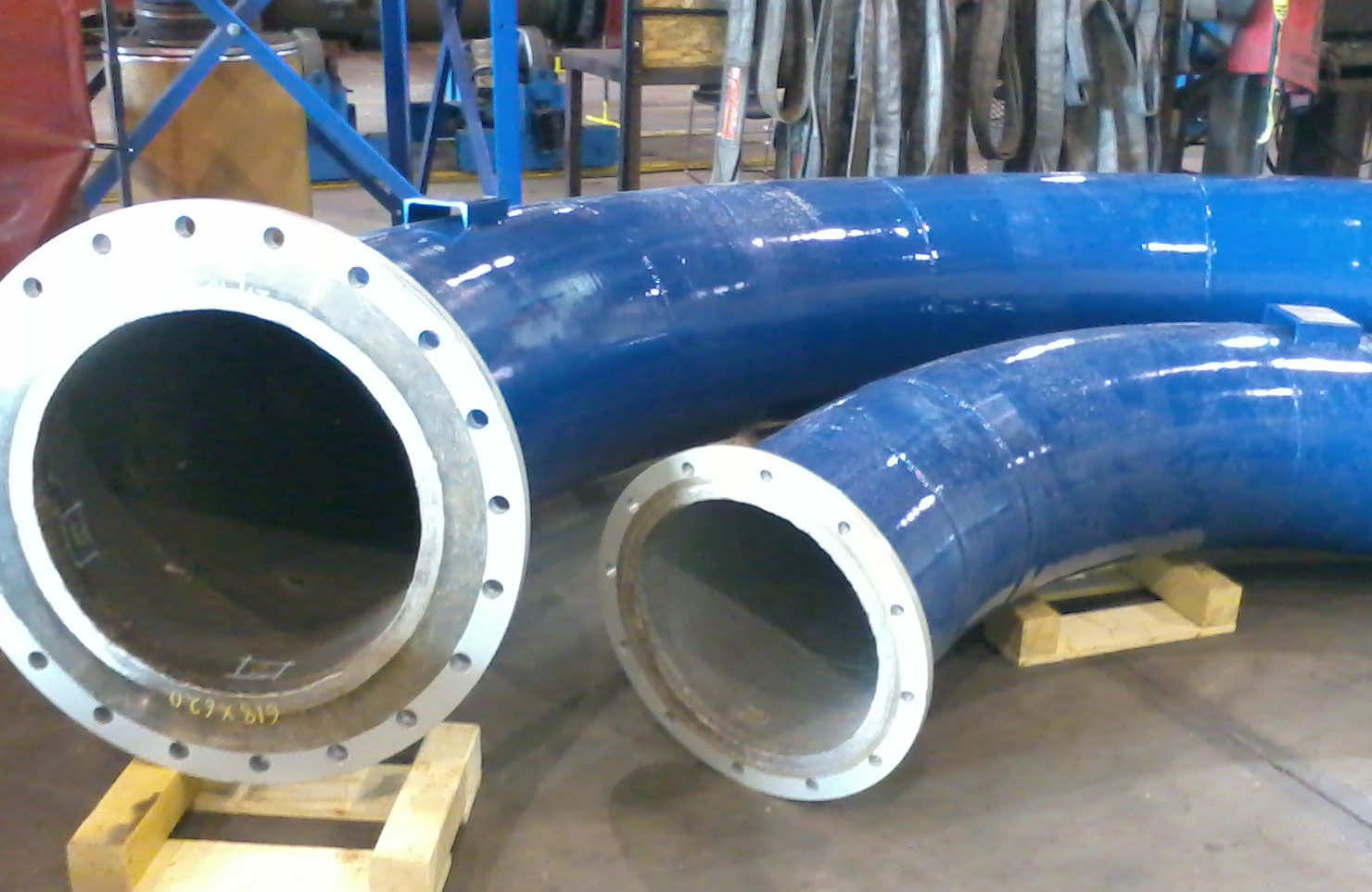
CCO Pipe Liners, CCO Pipe Liners Manufacturers, CCO Pipe Liners Suppliers, CCO Pipe Liners Stockists, CCO Pipe Liners Exporters
During material transportation, solid particles move through piping systems and repeatedly contact internal surfaces. This contact can gradually remove material from the pipe wall, particularly when the conveyed material is hard, angular or moving at high velocity. In some systems, the combination of impact and sliding abrasion accelerates deterioration.
Chromium carbide overlay pipe liners protect susceptible surfaces by introducing a hardfacing layer that withstands abrasive contact more effectively than many conventional steel surfaces. The steel backing supports the overlay and helps the liner fit into the required equipment or piping arrangement.
Performance depends on more than hardness alone. Particle size, material shape, flow velocity, impact angle, moisture, operating temperature, liner geometry and installation quality all influence service life. A suitable liner design should therefore be selected according to the actual wear mechanism rather than a single material property.
The primary advantage of CCO Pipe Liners is their ability to protect surfaces exposed to abrasive material flow. The chromium carbide-rich overlay provides a hard wearing surface that can help reduce internal pipe-wall deterioration in suitable operating conditions.
Unprotected pipes can require frequent inspection, repair or replacement when abrasive materials continuously pass through them. By helping slow wear, correctly selected CCO liners may reduce maintenance frequency and associated labor costs. Actual savings depend on operating conditions, installation costs and the performance of the selected liner.
Internal wear can weaken pipe walls, increase the risk of leakage and interrupt production. A suitable liner helps protect the underlying structure from abrasive contact. This can support longer equipment service life when the liner is correctly designed, installed and maintained.
Unexpected pipe failure can interrupt production and affect connected equipment. Wear protection may help make maintenance more predictable by reducing the rate of material loss. Routine inspections remain essential because liner wear, cracking, loosening or damage can still occur under demanding conditions.
CCO Pipe Liners can be considered for straight pipe sections, bends, elbows, transfer points and selected components of material handling systems. The appropriate shape and liner construction depend on pipe geometry, flow direction, available installation space and the severity of abrasion.
CCO Pipe Liners in India, CCO Pipe Liners Manufacturers in India, CCO Pipe Liners Suppliers in India, CCO Pipe Liners Stockists in India, CCO Pipe Liners Exporters in India
Mining operations handle hard, abrasive materials throughout extraction, crushing, screening and conveying processes. CCO Pipe Liners can protect crusher feed chutes, transfer points, ore bins, hoppers, vibrating equipment and mineral handling systems. The correct material depends on ore hardness, particle size, impact energy, moisture and the flow characteristics of the processed material.
Cement plants process raw materials, clinker, coal, limestone and other abrasive substances. CCO Pipe Liners are used in selected chutes, hoppers, silos, conveyors, transfer points and material feeding systems. For these applications, engineers should consider abrasion intensity, temperature exposure, dust conditions and the risk of material buildup when choosing liner materials and designs.
Steel manufacturing and metal processing facilities use material handling systems to move scrap, ores, fluxes, slag and other bulk materials. Wear liners can protect selected bins, transfer chutes, conveyor loading points and processing equipment from abrasion and impact. The liner specification should account for the operating environment, material characteristics and any elevated-temperature exposure.
Power plants that handle coal, biomass, ash or other bulk fuels may use CCO Pipe Liners in fuel transfer chutes, hoppers, storage bins and conveying systems. Liners can help control wear in areas exposed to continuous material movement. Where heat, corrosion or ash-related conditions are present, the material and attachment method should be selected to suit the service environment.
Bulk material handling systems depend on reliable movement of materials through conveyors, transfer stations, loading chutes, discharge points and storage equipment. CCO Pipe Liners protect surfaces where material impacts or slides against equipment walls. Correct liner geometry can also support material flow and reduce localised wear, although flow performance depends on the material properties and equipment design.
CCO Pipe Liner specifications vary according to the manufacturer, overlay composition, base material, pipe dimensions and application requirements. Buyers should confirm the final technical details against the product drawing and applicable inspection requirements before ordering.
Mining operations transport abrasive materials such as iron ore, copper ore, crushed rock, mineral concentrates and tailings. These particles can wear pipe walls and transfer lines, particularly at bends and points where material changes direction. CCO Pipe Liners can be considered for suitable mineral handling systems to improve abrasion protection and reduce wear-related maintenance.
Cement plants handle raw meal, clinker, limestone, coal and other abrasive materials throughout production. Pneumatic conveying lines, transfer pipes and related material handling equipment may experience substantial internal wear. Appropriate CCO liners can help protect selected components, subject to temperature, particle characteristics and system design.
Thermal power facilities may transport coal, pulverized fuel, bottom ash and fly ash through different handling systems. Abrasion can damage pipes and connected equipment over time. CCO Pipe Liners may be suitable for selected applications where the operating temperature, impact conditions and conveyed material are compatible with the liner design.
Steel plants and metal processing facilities handle scale, slag, mineral additives and other solid materials that can cause abrasive wear. Wear-resistant pipe lining may help protect transfer systems and support reliable material movement. The selected product should match the specific material, temperature and mechanical loading conditions.
Industrial facilities use conveying pipelines and transfer systems to move sand, aggregates, granular materials and industrial by-products. CCO Pipe Liners may be used in suitable sections where repeated particle contact causes accelerated wear. Pipe bends, reducers and transfer areas should receive particular attention during wear assessment.
Conventional steel pipes provide structural strength and are widely used in industrial transportation systems. However, when the conveyed material is highly abrasive, the internal surface may wear faster than expected. CCO Pipe Liners add a dedicated wear-resistant surface to selected areas of the system.
The two solutions serve different requirements. Standard steel pipe may be sufficient for low-abrasion services, while lined piping can be beneficial where internal wear is a major maintenance concern. Selection should consider initial cost, installation complexity, available space, operating conditions, inspection access and expected service life.
Choosing the right liner begins with understanding the conditions inside the piping system. A liner that performs well in sliding abrasion may not be the best choice for severe impact, corrosive slurry or high-temperature service. A detailed application review helps identify a suitable construction.
Correct installation is essential for achieving the intended wear protection. Before fitting a liner, verify its dimensions, condition, orientation and compatibility with the piping system. Installation procedures should follow the approved engineering design and the manufacturer's instructions.
Hard-Tuff serves industrial wear-protection requirements with solutions intended for demanding material handling environments. When evaluating CCO Pipe Liners, buyers should focus on application suitability, dimensional accuracy, manufacturing quality and the technical information supplied with the product.
Before placing an order, provide the operating conditions, piping drawings, required dimensions and expected service environment. This information helps establish the appropriate liner design and clarify inspection and delivery requirements. Product availability, custom fabrication options and lead times should be confirmed directly with Hard-Tuff for the specific project.
CCO Pipe Liners provide an abrasion-resistant lining option for industrial piping and material handling systems exposed to continuous particle contact. Their chromium carbide-rich hardfacing layer can help protect vulnerable surfaces, reduce wear-related maintenance and support longer equipment service life when matched to the application.
For the best results, evaluate the complete operating environment rather than relying on hardness alone. Pipe geometry, particle characteristics, impact severity, temperature, liner attachment and inspection practices all influence performance. Selecting a suitable design and following the manufacturer's installation and maintenance recommendations can help industrial facilities manage wear more effectively.
