Coal Handling Wear Plates are specialized wear-resistant plates designed to protect industrial equipment used for transporting, storing, processing, and handling coal. Coal handling systems operate under continuous mechanical loads, and coal mixed with mineral particles, stones, and other abrasive materials can gradually damage equipment surfaces. Installing suitable wear plates helps reduce abrasion, protect critical components, and support reliable plant operation.
These plates are used in coal-fired power plants, coal preparation facilities, mining operations, steel plants, and bulk material handling terminals. Depending on the operating conditions, coal handling wear plates may be manufactured from abrasion-resistant steel, chromium carbide overlay materials, hardfacing alloys, or other suitable wear-resistant constructions. The correct material depends on coal characteristics, impact severity, material flow, temperature, and equipment design.
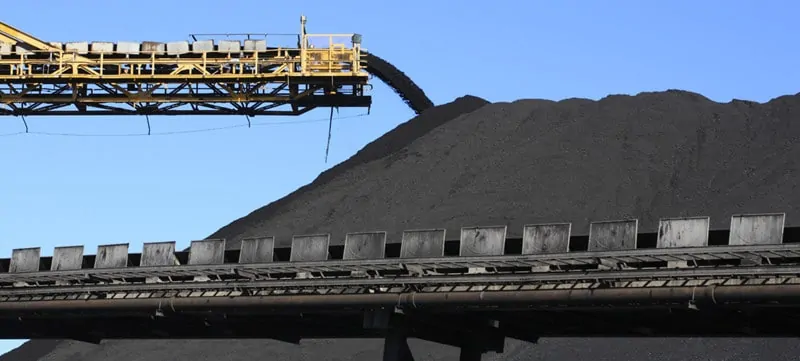
Coal Handling Wear Plates, Coal Handling Wear Plates Manufacturers, Coal Handling Wear Plates Suppliers, Coal Handling Wear Plates Stockists, Coal Handling Wear Plates Exporters
Hard-Tuff focuses on industrial wear-resistant solutions for demanding material-handling environments. Selecting appropriate coal handling wear plates can help extend equipment service life, reduce maintenance frequency, and minimize wear-related downtime. A proper assessment of the application and technical specifications is essential before selecting a plate.
Coal Handling Wear Plates are protective plates installed on equipment surfaces exposed to abrasion, impact, and continuous material movement in coal handling systems. Their primary purpose is to minimize wear caused by coal, mineral particles, and other materials moving through conveyors, transfer chutes, hoppers, bunkers, and storage equipment.
Different wear plate constructions are available for different operating conditions. Abrasion-resistant steel plates provide wear resistance throughout the plate thickness, while overlay wear plates use a supporting base material with a hardfacing layer designed to resist surface wear. The choice between these options depends on the severity of abrasion, impact loading, fabrication requirements, and the expected service life.
Coal handling wear plates are often installed at locations where material changes direction, falls from a height, or moves continuously against a surface. These areas can experience concentrated wear and may require specialized protection. Correct plate selection and installation help maintain equipment dimensions and reduce the risk of premature component failure.
The performance of coal handling wear plates depends on their material composition, hardness, thickness, toughness, manufacturing process, and operating environment. Important properties may include the following.
Coal handling equipment is exposed to continuous friction as coal moves through conveying and storage systems. Over time, this movement can remove material from steel surfaces, particularly at transfer points and areas where coal changes direction. Suitable wear plates provide a protective layer that helps reduce surface deterioration and maintain the integrity of the equipment.
Wear-related damage can require frequent repairs, component replacement, and maintenance shutdowns. Installing appropriate wear plates can reduce the rate of damage to critical equipment surfaces and may extend the intervals between maintenance activities. The actual cost savings depend on the selected material, installation costs, operating conditions, and replacement schedule.
Coal handling wear plates help protect the underlying structure from premature wear. By preserving vulnerable surfaces, they may extend the useful life of chutes, hoppers, bunkers, conveyor transfer points, and related equipment. Regular inspections are still necessary to monitor wear and identify damaged or depleted plate sections.
Unexpected equipment wear can interrupt coal transportation and affect downstream processes. Suitable wear-resistant plates can help reduce the likelihood of wear-related failures and support more predictable maintenance planning. Their performance depends on selecting a material that matches the actual abrasion, impact, and loading conditions.
Depending on their construction and the equipment design, coal handling wear plates may be installed through approved welding, bolting, or mechanical fixing methods. Plates can sometimes be cut to fit specific equipment geometries. The installation method must be compatible with the selected material and the manufacturer's recommendations.
Coal Handling Wear Plates in India, Coal Handling Wear Plates Manufacturers in India, Coal Handling Wear Plates Suppliers in India, Coal Handling Wear Plates Stockists in India, Coal Handling Wear Plates Exporters in India
Coal-fired power plants use extensive handling systems to receive, transport, store, and feed coal into processing equipment. Coal handling wear plates can be used in transfer chutes, hoppers, bunkers, conveyor liners, and selected discharge systems. These locations may experience continuous abrasion from moving coal and mineral contaminants. Appropriate wear protection helps reduce equipment damage and supports dependable fuel handling.
Coal mines use conveyors, loading systems, transfer points, and storage equipment to move coal from extraction areas to processing and transportation facilities. These systems can experience abrasion from coal and associated mineral matter. Wear plates installed in suitable high-wear zones can help protect equipment surfaces and reduce the frequency of repair work.
Coal preparation plants handle raw coal and processed material through screening, separation, washing, and conveying operations. Equipment such as chutes, hoppers, transfer boxes, and discharge points may experience wear from coal particles and mineral impurities. The appropriate plate grade should be selected according to material characteristics, moisture levels, impact, and operating conditions.
Steel plants use coal and related carbon-bearing materials in selected production and material-handling processes. Coal handling wear plates can protect conveyors, transfer systems, storage hoppers, and other equipment exposed to abrasive bulk materials. Where elevated temperatures or additional chemical exposure occur, material suitability should be confirmed before installation.
Ports and bulk material terminals receive, store, and transfer coal using unloading equipment, conveyors, hoppers, and ship-loading systems. Repeated material movement can cause concentrated wear in transfer chutes and discharge areas. Properly selected wear plates can help protect these components and support continuous material handling.
Conveyor systems transport coal between storage areas, processing equipment, and production facilities. Transfer points, loading zones, chute liners, and material guides may experience substantial abrasion and impact. Coal handling wear plates can be used in suitable locations to protect exposed surfaces and reduce the risk of premature equipment deterioration.
Coal handling wear plate specifications vary according to material grade, plate construction, manufacturing method, and application requirements. The following table lists general specification categories. Exact hardness, chemical composition, thickness, and mechanical properties should be confirmed using the manufacturer's technical datasheet.
|
Product Name |
Coal Handling Wear Plates |
|---|---|
|
Product Type |
Industrial Wear-Resistant Plates |
|
Material Type |
Abrasion-Resistant Steel, Hardfacing Alloy, Chromium Carbide Overlay, or Other Suitable Wear-Resistant Material |
|
Base Material |
As Per Selected Plate Grade and Construction |
|
Surface Layer |
As Applicable to the Selected Wear Plate Type |
|
Hardness |
Grade-Dependent; Confirm with the Manufacturer's Technical Datasheet |
|
Thickness |
As Per Product Availability and Customer Requirements |
|
Length and Width |
Standard or Custom Dimensions, Subject to Availability |
|
Manufacturing Process |
Steel Plate Production, Hardfacing, Overlay Welding, or Other Process Depending on Product Type |
|
Wear Resistance |
Selected According to Abrasion and Impact Conditions |
|
Surface Finish |
As Supplied or Specified for the Selected Product |
|
Fabrication |
Cutting, Drilling, or Welding as Permitted by the Material Grade and Manufacturer's Recommendations |
|
Installation Method |
Welding, Bolting, or Mechanical Fixing Depending on Plate Design and Equipment Requirements |
|
Applications |
Coal-Fired Power Plants, Coal Mines, Coal Preparation Plants, Steel Plants, Conveyor Systems, and Bulk Material Terminals |
|
Customization |
Subject to Manufacturing Capabilities and Customer Requirements |
Choosing suitable coal handling wear plates requires an understanding of the operating conditions and the type of wear affecting the equipment. The ideal plate should provide an appropriate balance of abrasion resistance, impact toughness, mechanical strength, and fabrication compatibility.
Abrasion-resistant steel plates are designed to provide wear resistance throughout the plate thickness. They may be suitable for coal handling applications where a combination of hardness, toughness, and structural strength is required. The selected grade should match the expected abrasion and impact conditions, along with the fabrication requirements of the equipment.
Chromium carbide overlay plates typically consist of a steel base plate with a chromium-rich hardfacing layer. They are commonly considered for applications involving severe sliding abrasion. In coal handling systems, they may be suitable for selected chutes, hoppers, and transfer points. Their suitability for impact-heavy locations should be evaluated according to the plate construction and operating conditions.
Hardfacing wear plates use a deposited wear-resistant alloy to protect a supporting base plate. The alloy composition can be selected for particular wear conditions. These plates may be considered for coal transfer systems and other equipment exposed to continuous abrasive contact, subject to technical suitability and installation requirements.
Composite wear plates combine different materials or layers to achieve specific performance characteristics. In coal handling applications, a composite construction may combine a structural base with a wear-resistant surface. The correct product should be selected according to the type of abrasion, impact, and mechanical loading present in the equipment.
Routine inspection helps identify wear before it causes serious equipment damage or interrupts coal handling operations. Inspection frequency should depend on the severity of service, equipment criticality, and the manufacturer's recommendations.
Hard-Tuff focuses on industrial wear-resistant solutions for demanding operating environments. Coal handling applications require careful consideration of abrasion, impact, material flow, plate dimensions, and installation conditions to ensure that the selected product provides suitable protection.
When sourcing coal handling wear plates, customers should confirm material specifications, hardness, available dimensions, product construction, fabrication limitations, and delivery requirements. Providing details about the equipment and coal handling process can help determine the most suitable wear-resistant plate option for the application.
Coal Handling Wear Plates are an important component of wear protection in coal transportation, storage, and processing systems. Suitable plates can help reduce abrasion, protect equipment surfaces, extend service life, and minimize wear-related maintenance. Selecting the right product requires evaluating coal characteristics, impact conditions, material grade, thickness, equipment design, and installation requirements. Contact Hard-Tuff to discuss the technical requirements for your coal handling application.
