Custom wear plates and fabricated liners are engineered components designed to protect industrial equipment from abrasion, impact, material erosion and repeated mechanical contact. They are manufactured or fabricated according to specific equipment dimensions, operating conditions and material-handling requirements. These products help extend equipment service life, reduce maintenance frequency and support reliable industrial operations in demanding environments.
Industries that process abrasive materials often experience premature wear in chutes, hoppers, conveyors, crushers, silos, transfer points and other material-handling equipment. Standard steel plates may not provide sufficient protection under severe operating conditions. Custom wear plates and fabricated liners address these challenges through suitable wear-resistant materials, carefully designed shapes and application-specific fabrication.
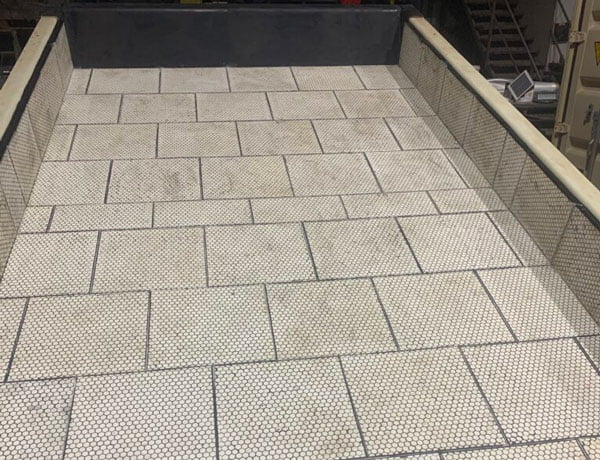
Custom Wear Plates / Fabricated Liners, Custom Wear Plates / Fabricated Liners Manufacturers, Custom Wear Plates / Fabricated Liners Suppliers, Custom Wear Plates / Fabricated Liners Stockists, Custom Wear Plates / Fabricated Liners Exporters
Hard-Tuff provides wear-protection solutions for industrial applications where equipment durability and operational efficiency are important. Depending on the application, custom components can be produced using abrasion-resistant steel, chromium carbide overlay plates, hardfacing materials, composite wear plates and other suitable wear-resistant materials.
Custom wear plates are protective plates manufactured or processed to meet specific industrial requirements. Unlike standard-sized plates, custom wear plates can be cut, drilled, bevelled, shaped or prepared according to the installation dimensions and design requirements of the equipment. Their material composition and surface properties are selected based on the type of wear encountered during operation.
These plates are commonly used where sliding abrasion, impact, material flow or repeated contact can damage the underlying equipment structure. Depending on the service conditions, a solution may use through-hardened abrasion-resistant steel, a hardfaced surface, a chromium carbide overlay or another suitable wear-resistant construction.
Customisation helps improve fitment, minimise unnecessary material removal during installation and provide protection at locations exposed to the highest levels of wear. Correct material selection is essential because abrasion resistance, impact toughness, weldability and operating temperature requirements can vary considerably between applications.
Fabricated liners are protective components formed into specific shapes to fit the internal or external surfaces of industrial equipment. They may be produced from flat plates or wear-resistant materials that are cut, bent, rolled, welded, drilled or assembled into a required configuration. Their purpose is to protect equipment surfaces and manage wear in areas exposed to abrasive materials or repeated impact.
Fabricated liners are frequently used in transfer chutes, feed hoppers, conveyor systems, storage bins, crusher housings, screening equipment and material-processing machinery. Their geometry is designed around the equipment layout, material flow pattern, fixing arrangement and maintenance requirements.
Depending on the design, liners may be supplied as individual panels, curved sections, replaceable wear blocks or multi-piece assemblies. Accurate measurements and suitable fabrication methods help ensure proper alignment, secure installation and effective protection during operation.
Wear-resistant materials help reduce surface damage caused by sliding particles, continuous material flow and repeated contact. Selecting the appropriate plate or overlay system can improve resistance to the dominant wear mechanism and extend the service life of critical equipment components.
Industrial equipment may be exposed to a combination of abrasion and impact. Suitable wear plates and fabricated liners provide a protective layer between moving material and the equipment structure. The material must be selected carefully because a solution designed primarily for abrasion may not be appropriate for severe impact conditions.
Properly designed liners can reduce the frequency of repairs and replacement of worn equipment surfaces. Replaceable wear components also allow maintenance teams to renew damaged areas without replacing the entire structure, depending on the equipment design and installation method.
Custom Wear Plates / Fabricated Liners in India, Custom Wear Plates / Fabricated Liners Manufacturers in India, Custom Wear Plates / Fabricated Liners Suppliers in India, Custom Wear Plates / Fabricated Liners Stockists in India, Custom Wear Plates / Fabricated Liners Exporters in India
Custom dimensions and fabrication options help components match the shape of chutes, hoppers, bins and other industrial equipment. Correct fitment can simplify installation, reduce gaps where material may accumulate and support consistent wear protection across the intended surface.
Wear-related failures and unplanned maintenance can interrupt production. Selecting suitable wear plates and liners can help reduce these interruptions, improve equipment availability and support more predictable maintenance planning. Actual results depend on operating conditions, installation quality and material selection.
Abrasion-resistant steel plates are used in applications where sliding wear and repeated contact with abrasive materials are major concerns. These plates are available in different hardness ranges and thicknesses. The appropriate grade depends on the required wear resistance, impact conditions, fabrication limitations and equipment design.
Chromium carbide overlay plates typically consist of a wear-resistant carbide-rich layer deposited onto a supporting steel plate. They are commonly considered for severe sliding abrasion in applications such as mining, cement processing, mineral handling and bulk-material transfer. Their suitability depends on the operating temperature, impact severity, plate construction and required fabrication method.
Hardfacing wear plates feature a hardfacing alloy applied to a base material to improve resistance to particular forms of wear. The deposited layer may be selected for abrasion, erosion or a combination of service conditions. Hardfacing composition, overlay thickness and deposition quality should be matched to the intended application.
Composite wear plates combine different materials or material layers to provide a balance of properties. Depending on the design, they may offer a wear-resistant working surface supported by a tougher base plate. The construction and performance characteristics vary by product, so technical documentation should be reviewed before selection.
Depending on the service environment, fabricated liners may also use specialised alloys, stainless steel, elastomeric liners, ceramic-lined components or other engineered materials. These alternatives can be appropriate when corrosion resistance, noise reduction, chemical exposure, temperature limits or a specific wear mechanism influences the design.
The manufacturing process depends on the material, component geometry, required tolerances and final application. A typical project may include the following stages:
Not every material is suitable for every fabrication method. Hardfaced and overlay plates, for example, may require specific cutting, bending, welding and handling procedures. Fabrication should follow the material supplier's recommendations and the approved component drawings.
Specifications vary according to the base material, wear-resistant layer, component shape and service requirements. The following table outlines common parameters that can be defined when requesting a quotation or fabrication assessment.
|
Product Name |
Custom Wear Plates / Fabricated Liners |
|---|---|
|
Product Type |
Custom-fabricated industrial wear protection components |
|
Available Materials |
Abrasion-resistant steel, chromium carbide overlay, hardfacing and other application-specific materials |
|
Thickness |
As per material availability, equipment design and customer requirements |
|
Dimensions |
As per approved drawings and customer requirements |
|
Shapes and Profiles |
Flat, curved, bent, profiled and assembled components, subject to material and fabrication limitations |
|
Fabrication Options |
Cutting, profiling, drilling, bending, rolling, welding and assembly, where suitable |
|
Wear Resistance |
Selected according to abrasion, erosion, impact and operating conditions |
|
Hardness |
Grade- and material-specific; confirm against the applicable product specification |
|
Operating Temperature |
Subject to the selected material, overlay construction and service conditions |
|
Applications |
Mining, cement, steel, power generation, recycling and bulk-material handling |
|
Inspection Requirements |
As specified by the purchase order, drawing or applicable quality requirements |
|
Supply Condition |
Custom-fabricated or prepared components, subject to project scope and order confirmation |
Mining operations handle abrasive ores, rocks, aggregates and mineral concentrates that can cause rapid wear. Custom wear plates and fabricated liners are used in transfer chutes, feed hoppers, crushers, screens, bins and conveyor systems to protect equipment surfaces and help manage wear in high-contact areas.
Cement plants process materials such as limestone, clinker, gypsum, coal and raw meal. Abrasion-resistant liners can protect chutes, hoppers, silos, conveyors and material-transfer equipment. The material selection should account for particle characteristics, flow speed, temperature and the possibility of impact.
Steel plants and metal-processing facilities use wear-resistant components in material-handling systems exposed to scrap, sinter, coke, ore and other abrasive materials. Fabricated liners can be designed for transfer points, bunkers, feed systems and equipment surfaces that require replaceable wear protection.
Power plants may use wear-resistant liners in coal-handling systems, ash-handling equipment, hoppers and transfer chutes. The operating temperature, material properties and potential for corrosion should be considered when selecting suitable protective components.
Ports, warehouses, processing facilities and bulk-material terminals use chutes, bins, conveyor systems and loading equipment to move large quantities of material. Custom liners can protect areas where material impacts a surface, slides along a wall or repeatedly passes through a transfer point.
Recycling facilities handle mixed materials, scrap, glass, construction waste and other products that may cause abrasion or impact damage. Depending on the material being processed, wear-resistant plates and fabricated liners can protect hoppers, shredding equipment, transfer chutes and sorting systems.
Industrial wear protection requires products that match the actual service conditions of the equipment. Hard-Tuff supports wear-protection requirements with solutions intended for demanding industrial applications. Product selection and fabrication scope should be confirmed against the customer's drawings, material specifications and operating conditions.
Customers should provide the intended application, drawings, preferred material, required dimensions, expected operating conditions and inspection requirements to help determine a suitable product configuration. Availability, fabrication capability, delivery schedules and technical compliance should be confirmed with Hard-Tuff before placing an order.
