Hardfacing Plates are specialized wear-resistant plates designed to protect industrial equipment from abrasion, erosion, impact, and material loss. These plates are manufactured by applying a hard alloy layer to a suitable base metal using welding or hardfacing processes. The combination of a strong backing plate and a wear-resistant surface makes them suitable for demanding industrial applications where conventional steel plates may wear out quickly.
Industries such as mining, cement manufacturing, steel production, power generation, and bulk material handling use Hardfacing Plates to improve equipment durability and reduce maintenance costs. Selecting the appropriate hardfacing material can extend component service life, minimize unplanned downtime, and improve operational efficiency.
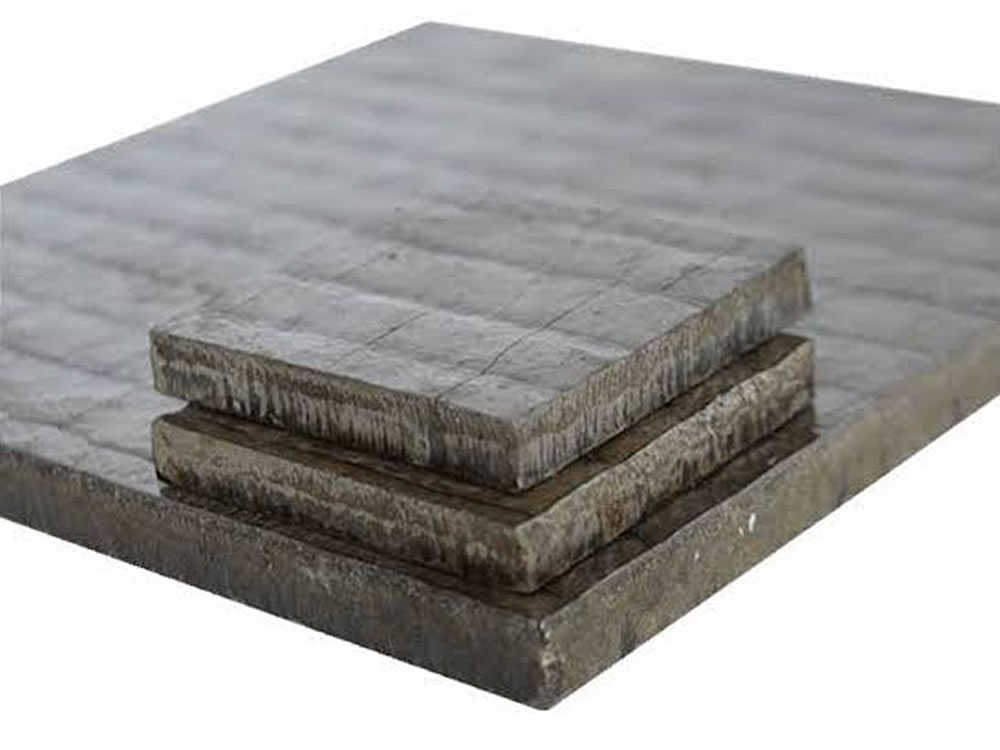
Hardfacing Plates, Hardfacing Plates Manufacturers, Hardfacing Plates Suppliers, Hardfacing Plates Stockists, Hardfacing Plates Exporters
Hardfacing Plates are composite wear plates manufactured by depositing a layer of wear-resistant alloy onto a steel substrate. The deposited layer may contain chromium carbides, tungsten carbides, iron-based alloys, nickel-based alloys, or other materials selected according to the required wear resistance and operating conditions.
The hardfacing layer provides protection against specific wear mechanisms, while the base plate offers structural strength and supports installation. Depending on the intended application, manufacturers can supply different overlay compositions, thicknesses, dimensions, and surface configurations.
Hardfacing Plates are commonly used in areas exposed to abrasive particles, sliding materials, mineral handling, and continuous industrial operations. Their performance depends on the overlay composition, hardness, bonding quality, base material, and service conditions.
Hardfacing Plates offer several properties that make them valuable for industrial wear protection.
One of the main advantages of Hardfacing Plates is their ability to protect equipment surfaces exposed to severe wear. In industries that handle abrasive raw materials, conventional steel components may require frequent repair or replacement. A suitable hardfacing layer can help reduce this wear and improve component reliability.
Hardfacing Plates can also lower maintenance requirements by extending the time between replacements. This can reduce equipment downtime, labor costs, and expenditure on spare parts. Their application-specific construction makes them suitable for manufacturing new wear components as well as repairing or protecting existing equipment.
However, hardfacing materials must be selected according to the actual wear mechanism. A material that performs well against abrasion may not be the best choice for severe impact, high-temperature service, or corrosive environments. Reviewing the operating conditions and manufacturer recommendations is essential for achieving reliable performance.
Hardfacing Plates in India, Hardfacing Plates Manufacturers in India, Hardfacing Plates Suppliers in India, Hardfacing Plates Stockists in India, Hardfacing Plates Exporters in India
Mining and mineral processing operations use Hardfacing Plates in crusher liners, conveyor chutes, hoppers, screening equipment, and ore transfer systems. These components are exposed to abrasive rocks, minerals, and particles that can rapidly wear ordinary steel surfaces. Wear-resistant plates help protect critical equipment and reduce maintenance interruptions.
Cement plants use Hardfacing Plates in clinker handling systems, raw material chutes, grinding equipment, hoppers, and material transfer points. The plates help protect surfaces exposed to abrasive cement raw materials, clinker, and other bulk solids during continuous production.
Steel manufacturing facilities use wear-resistant plates in sinter handling equipment, material transfer systems, industrial bins, and conveyor components. Power plants may use Hardfacing Plates in coal handling systems, ash transport equipment, and other applications where abrasive particles cause significant surface wear.
Hardfacing Plates can be used in selected agricultural machinery, earthmoving equipment, material handling systems, and industrial processing units. The appropriate alloy and plate configuration depend on the type of material handled, impact severity, operating temperature, and expected wear conditions.
Selecting the right Hardfacing Plates requires an understanding of the working environment and the type of wear experienced by the equipment. Buyers should evaluate the abrasive material, particle size, impact severity, operating temperature, material flow, and expected service life before choosing a suitable product.
The overlay composition, hardness, thickness, base plate strength, and attachment method should match the intended application. Buyers should also review quality documentation, dimensional tolerances, fabrication requirements, and manufacturer recommendations. Consulting an experienced wear-material supplier can help identify a suitable solution for the operating conditions.
Hardfacing Plates are an effective solution for protecting industrial equipment from abrasion and other forms of surface wear. Their combination of a structural steel base and a specialized wear-resistant overlay makes them suitable for mining, cement production, steel manufacturing, power generation, and bulk material handling.
By selecting the right hardfacing material and plate configuration, industrial operators can improve equipment durability, reduce maintenance frequency, and support reliable production. Manufacturer specifications and application requirements should always guide final material selection.
Hardfacing Plates are available in different material compositions and configurations to suit industrial requirements. Specifications should be confirmed with the manufacturer according to the application, required service life, and operating environment.
|
Product Name |
Hardfacing Plates |
|---|---|
|
Base Material |
Carbon Steel or Other Suitable Steel Substrate |
|
Overlay Material |
Chromium Carbide, Tungsten Carbide, Iron-Based Alloy, Nickel-Based Alloy, or Other Specified Hardfacing Alloy |
|
Manufacturing Process |
Hardfacing Welding or Overlay Welding |
|
Hardness |
Depends on Hardfacing Alloy and Manufacturer Specifications |
|
Plate Thickness |
As Per Customer Requirement |
|
Plate Width |
As Per Customer Requirement |
|
Plate Length |
As Per Customer Requirement |
|
Surface Finish |
As Manufactured or as Specified |
|
Wear Resistance |
Selected According to Application Requirements |
|
Applications |
Mining, Cement Plants, Steel Plants, Power Generation, and Material Handling |
|
Customization |
Available According to Manufacturer Capabilities and Customer Requirements |
Hardfacing Plates in Mumbai, Hardfacing Plates Manufacturers in Mumbai, Hardfacing Plates Suppliers in Mumbai, Hardfacing Plates Stockists in Mumbai, Hardfacing Plates Exporters in Mumbai
Hardfacing Plates, Hardfacing Plates Manufacturers, Hardfacing Plates Suppliers, Hardfacing Plates Stockists, Hardfacing Plates Exporters, Hardfacing Plates in India, Hardfacing Plate Manufacturers in India, Hardfacing Plate Suppliers in India, Hardfacing Steel Plates, Industrial Hardfacing Plates, Wear Resistant Plates, Abrasion Resistant Plates, Chromium Carbide Overlay Plates, CCO Plates, Hardfacing Wear Plates, Hardfacing Plate Applications, Hardfacing Plate Specifications, Hardfacing Plate Price, Hardfacing Plate Uses, Best Hardfacing Plates, Hardfacing Welding Plates, Industrial Wear Plates, High Abrasion Resistant Plates, Hardfaced Steel Plate Suppliers, Hardfacing Plate Thickness, Hardfacing Overlay Plates, Mining Wear Plates, Cement Plant Wear Plates, Tungsten Carbide Hardfacing Plates, Hardfacing Plates for Heavy Equipment
