Mining Wear Plates are specially designed wear-resistant plates used to protect mining equipment from abrasion, impact, erosion, and material-related damage. Mining operations involve continuous handling of hard and abrasive materials such as iron ore, coal, copper ore, limestone, granite, and mineral concentrates. These materials can cause rapid wear on equipment surfaces, resulting in frequent maintenance, equipment downtime, and increased operating costs. Mining wear plates help reduce this damage by providing a protective surface in high-wear areas.
Depending on the application, mining wear plates may be manufactured from abrasion-resistant steel, chromium carbide overlay materials, hardfacing alloys, or other wear-resistant composite constructions. Each type offers different characteristics in terms of hardness, toughness, impact resistance, and fabrication requirements. Selecting the appropriate plate depends on the material being processed, the severity of abrasion, impact conditions, operating temperature, and equipment design.
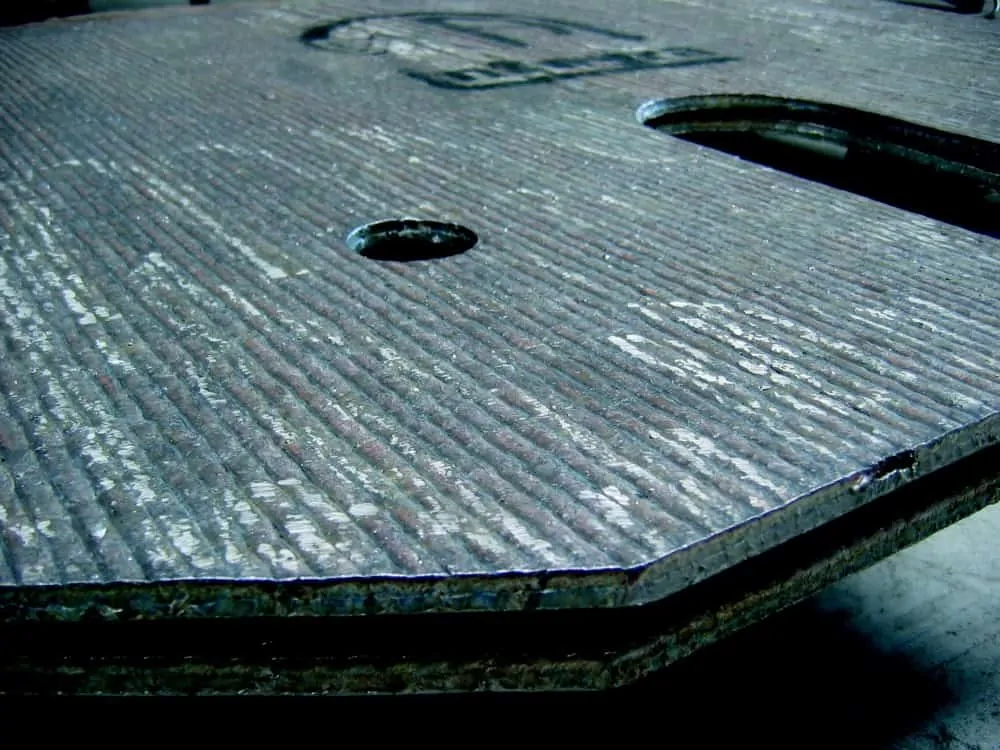
Mining Wear Plates, Mining Wear Plates Manufacturers, Mining Wear Plates Suppliers, Mining Wear Plates Stockists, Mining Wear Plates Exporters
Hard-Tuff focuses on industrial wear-resistant solutions for demanding operating environments. Mining wear plates are used in equipment such as transfer chutes, hoppers, conveyor systems, crushers, screening units, and material-handling installations. Proper plate selection and installation can help extend equipment service life, reduce replacement frequency, and support more reliable mining operations.
Mining Wear Plates are protective metal plates installed on equipment surfaces that experience continuous contact with abrasive materials. They are designed to reduce material loss caused by sliding abrasion, particle impact, and repeated material movement. Depending on their construction, these plates may provide wear resistance throughout the plate thickness or through a specialized surface layer bonded to a supporting base plate.
Abrasion-resistant steel plates are commonly used where a combination of hardness, strength, and toughness is required. Chromium carbide overlay plates are often considered for severe sliding abrasion, while other hardfacing or composite plates may be selected for particular wear conditions. The most suitable design depends on whether the equipment primarily experiences abrasion, heavy impact, erosion, or a combination of these mechanisms.
Mining wear plates are available in different grades, thicknesses, dimensions, and configurations. They may be installed as liners, replaceable panels, protective covers, or custom-fabricated components. Technical specifications should be checked against the intended application to ensure the plate is compatible with the equipment and its operating conditions.
Abrasion-resistant steel plates are designed to withstand wear caused by contact with abrasive materials. They are used in mining equipment where a balance of hardness, toughness, and fabrication capability is important. These plates may be suitable for buckets, chutes, hoppers, conveyor components, and selected machine structures. Grade selection should consider the expected wear rate, impact conditions, and required fabrication methods.
Chromium carbide overlay plates consist of a supporting base plate with a hardfacing layer containing chromium carbides. They are commonly used in applications involving severe sliding abrasion, such as mineral transfer points, hoppers, and material-handling systems. Their suitability for impact-heavy service depends on the specific overlay construction, support conditions, and operating loads.
Hardfacing wear plates are manufactured by depositing a wear-resistant alloy onto a base material using a suitable welding process. The deposited layer may contain alloying elements selected to improve abrasion resistance or other surface properties. These plates can be useful for protecting mining equipment that handles hard minerals, aggregates, and other abrasive substances.
Composite mining wear plates combine different materials or layers to achieve specific performance characteristics. A common wear-resistant design uses a structural base plate with a harder surface layer. The base supports the component, while the surface layer helps resist abrasion. Material compatibility, bonding quality, and installation requirements should be considered before selecting a composite plate.
Some mining applications involve both abrasion and repeated impact from large or heavy materials. In these conditions, the selected plate must provide an appropriate balance between hardness and toughness. A plate that is extremely hard may not be suitable for every impact-heavy application, so material selection should be based on actual loading conditions and manufacturer recommendations.
The performance of mining wear plates depends on the material grade, manufacturing process, hardness, plate thickness, and operating environment. Important properties to consider include the following.
Mining Wear Plates in India, Mining Wear Plates Manufacturers in India, Mining Wear Plates Suppliers in India, Mining Wear Plates Stockists in India, Mining Wear Plates Exporters in India
Mining equipment is exposed to continuous wear from hard minerals and abrasive materials. Installing suitable wear plates in vulnerable areas helps reduce damage to the underlying equipment structure. This protection may extend the service life of chutes, hoppers, conveyor systems, buckets, and other components, depending on operating conditions and the selected plate grade.
Wear-related damage can lead to frequent repairs, component replacement, and additional labour expenses. Mining wear plates help protect surfaces that would otherwise deteriorate rapidly. In suitable applications, replaceable wear liners can allow maintenance teams to replace the protective component instead of repairing or replacing a larger equipment assembly. Actual cost savings depend on material cost, installation requirements, service life, and operating conditions.
Excessive wear can affect material flow, equipment performance, and production schedules. Properly specified wear plates help maintain the condition of high-wear surfaces and may reduce interruptions caused by premature component failure. Regular inspections and timely replacement are still necessary to maintain reliable equipment operation.
Mining operations handle materials with different hardness levels, particle sizes, shapes, and moisture contents. Wear plates can be selected to address the specific abrasive characteristics of the process material. Understanding whether the primary wear mechanism is sliding abrasion, impact, or erosion helps determine the most suitable construction.
Mining wear plates may be supplied in different thicknesses, dimensions, and configurations to suit specific equipment designs. Depending on the material and manufacturer, fabrication options may include cutting, drilling, and preparation for mechanical attachment. The required procedures should be confirmed before fabrication because highly hardened and overlay materials may have limitations.
Crushing and screening operations process rocks, ores, and aggregates that can cause severe abrasion and impact. Suitable wear plates may be used in selected liners, feed areas, transfer sections, and supporting components. The material must be selected according to particle size, impact severity, equipment design, and the operating conditions of the crushing or screening process.
Mining conveyor systems move large quantities of ore, coal, aggregates, and other bulk materials. Transfer points are especially vulnerable to wear because materials may slide, fall, or strike surfaces at high velocity. Mining wear plates help protect chute liners, loading zones, transfer points, and other high-wear locations.
Hoppers and storage bins experience continuous material movement during loading and discharge. Abrasive materials can gradually wear the internal surfaces, affecting equipment life and material flow. Wear-resistant liners can help protect these surfaces and reduce the frequency of maintenance. Plate selection should consider the flow pattern, material characteristics, and potential for impact during loading.
Mining buckets and selected excavation components come into direct contact with soil, rock, ore, and abrasive debris. Appropriate wear-resistant plates can be used in suitable areas to reduce material loss and protect supporting structures. The plate grade should be selected according to ground conditions, impact loads, equipment design, and manufacturer guidance.
Mineral processing facilities use chutes, hoppers, conveyors, and other equipment to transport and process mineral concentrates and raw materials. These operations can expose equipment surfaces to abrasive particles and erosion. Wear-resistant plates can help protect selected process components and support more consistent maintenance intervals.
Coal mining and preparation facilities use equipment to move, screen, crush, and store coal. Coal and associated rock particles can cause abrasion in conveyor transfer systems, chutes, bunkers, and hoppers. Suitable wear plates help reduce surface deterioration and support reliable material handling throughout the process.
Quarries and aggregate plants handle stone, gravel, sand, and crushed rock. The movement of these materials can cause wear in feed chutes, screening equipment, conveyor systems, and storage structures. The appropriate wear plate depends on the abrasiveness of the aggregate, impact severity, material flow, and required service life.
Mining wear plate specifications vary according to the selected material, product construction, manufacturing method, and intended application. The following table lists common specification categories. Exact hardness, chemical composition, dimensional tolerances, and applicable standards should be confirmed using the manufacturer's technical datasheet.
|
Product Name |
Mining Wear Plates |
|---|---|
|
Product Type |
Industrial Wear-Resistant Plates and Liners |
|
Material |
Abrasion-Resistant Steel, Chromium Carbide Overlay, Hardfacing Alloy, or Composite Construction, Depending on Product Type |
|
Manufacturing Process |
Depends on the Selected Material and Plate Construction |
|
Hardness |
Grade- and Construction-Dependent; Confirm with the Manufacturer's Technical Datasheet |
|
Thickness |
As Per Selected Grade, Equipment Design, and Customer Requirements |
|
Length and Width |
Standard or Custom Dimensions, Subject to Product Availability |
|
Surface Finish |
As Supplied or Specified for the Selected Product |
|
Wear Resistance |
Selected According to Abrasion, Impact, and Operating Conditions |
|
Impact Resistance |
Depends on Material Grade, Plate Construction, and Service Conditions |
|
Base Material |
As Per Selected Plate Grade and Product Design |
|
Fabrication |
Cutting, Drilling, Forming, or Welding as Permitted by the Selected Material and Approved Procedures |
|
Installation Method |
Welding, Bolting, or Mechanical Fixing Depending on Equipment Design and Product Type |
|
Applications |
Mining, Mineral Processing, Coal Handling, Quarrying, Crushing, Screening, and Bulk Material Handling |
|
Customization |
Subject to Product Availability, Manufacturing Capabilities, and Customer Requirements |
Selecting the correct mining wear plate requires an understanding of the equipment, process material, and operating environment. The plate should provide suitable wear resistance without compromising the mechanical performance required for the application. The following factors can help guide product selection.
Standard steel plates are used in many structural and industrial applications because of their strength, availability, and fabrication properties. However, ordinary steel may wear quickly when exposed to continuous contact with abrasive minerals, rocks, coal, and aggregates. Mining wear plates are selected specifically to provide improved wear protection under suitable operating conditions.
Abrasion-resistant steel plates provide wear resistance through the properties of the steel itself. Chromium carbide overlay plates use a hardfacing layer designed for severe abrasive conditions, while other hardfacing and composite plates offer alternative combinations of surface properties and structural support. The most suitable option depends on the wear mechanism, impact severity, equipment design, and maintenance requirements.
When comparing mining wear plates with standard steel, consider the total service cost rather than the purchase price alone. Expected service life, installation expenses, replacement frequency, equipment downtime, and fabrication requirements all affect the overall value of the selected plate.
Regular inspection helps ensure that mining wear plates continue to protect equipment effectively. Maintenance schedules should be based on operating severity, equipment criticality, observed wear patterns, and the manufacturer's recommendations.
Hard-Tuff focuses on industrial wear-resistant solutions for equipment exposed to abrasive materials and demanding operating conditions. Mining applications require careful material selection because the severity of wear can vary significantly between crushers, conveyor systems, chutes, hoppers, and mineral processing equipment.
When evaluating mining wear plate solutions, customers should confirm the material grade, plate construction, hardness, available dimensions, technical documentation, and installation requirements. Providing details about the equipment, process material, operating conditions, and expected service life can help determine whether a particular wear-resistant plate is appropriate for the application.
Mining Wear Plates are essential wear-protection components for equipment exposed to abrasive minerals, rocks, coal, and other bulk materials. Depending on their construction, they can help reduce wear, extend equipment service life, and support more predictable maintenance planning. Choosing the right plate requires evaluating abrasion, impact, material characteristics, operating conditions, dimensions, and installation requirements. Contact Hard-Tuff to discuss your mining application and identify a suitable wear-resistant plate solution.
