Slurry Pipeline Wear Plates are specialized wear-resistant materials designed to protect pipeline systems and associated equipment from abrasion caused by the continuous transportation of slurry. Slurry is a mixture of liquid and solid particles, such as water combined with sand, minerals, coal, tailings, or other abrasive materials. As these particles move through pipelines, bends, elbows, transfer points, and processing equipment, they can gradually wear down internal surfaces and reduce operational efficiency.
Slurry pipeline wear protection is important in industries where abrasive mixtures are transported over short or long distances. Depending on the operating conditions, suitable wear-resistant solutions may include hardfacing plates, chromium carbide overlay plates, abrasion-resistant steel plates, ceramic-lined components, and other specialized wear materials. The appropriate solution depends on slurry composition, particle size, flow velocity, solids concentration, pressure, temperature, and pipeline geometry.
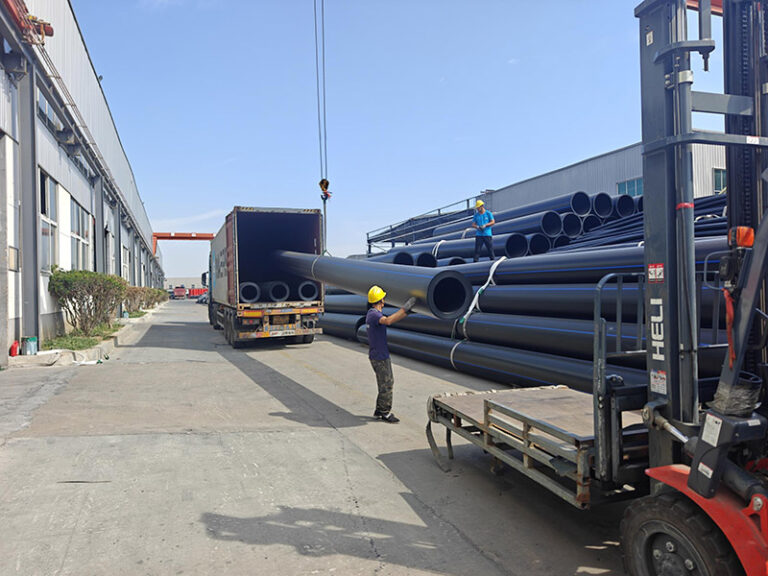
Slurry Pipeline Wear Plates, Slurry Pipeline Wear Plates Manufacturers, Slurry Pipeline Wear Plates Suppliers, Slurry Pipeline Wear Plates Stockists, Slurry Pipeline Wear Plates Exporters
Hard-Tuff focuses on industrial wear-resistant solutions for demanding operating environments. Selecting the correct slurry pipeline wear plate or liner requires an understanding of the wear mechanism and the specific requirements of the pipeline system. Proper material selection can help reduce premature wear, support reliable material transportation, and improve maintenance planning.
Slurry Pipeline Wear Plates are wear-resistant plates or lining materials used to protect equipment surfaces exposed to abrasive slurry. They are generally installed in selected areas where solid particles cause repeated friction, impact, or erosion. Depending on the product design, these materials may be used as protective liners in slurry-handling equipment, pipeline-related structures, chutes, hoppers, and transfer systems.
In many applications, the term slurry pipeline wear protection refers to more than flat plates alone. Pipeline systems may require wear-resistant liners, internal sleeves, replaceable elbows, bends, reducers, and other shaped components. The selected material must be compatible with the equipment geometry and the method used to install or replace the protective lining.
Different wear-resistant materials offer different benefits. Chromium carbide overlay plates are commonly considered for severe abrasion, abrasion-resistant steel plates may provide a balance of toughness and wear resistance, and ceramic-lined components may be suitable for specific erosion applications. However, not every material is suitable for every slurry system. Product selection should be based on verified technical data and actual service conditions.
The performance of slurry pipeline wear plates depends on the material composition, hardness, toughness, lining thickness, installation method, and operating conditions. The following properties are important when evaluating wear protection for slurry transportation systems.
Slurry transportation exposes internal surfaces to continuous contact with suspended solid particles. Depending on the particle hardness, shape, concentration, and flow pattern, this contact can cause abrasion and erosion. A correctly selected wear-resistant lining can reduce material loss and protect the underlying pipeline or equipment from premature deterioration.
Protecting high-wear areas can help extend the useful life of pipeline components and related equipment. Replaceable wear liners may also allow maintenance teams to renew the protective surface without replacing the entire assembly. Actual service life depends on the slurry properties, operating conditions, installation quality, and inspection schedule.
Pipeline wear can require inspections, repairs, component replacement, and operational shutdowns. Selecting suitable wear-resistant materials can help reduce the frequency of these activities. Maintenance benefits vary according to the pipeline design, wear rate, replacement costs, and the effectiveness of the chosen lining system.
Severe wear can cause wall thinning, leakage, flow disruption, and unplanned maintenance. Properly designed wear protection can help reduce these risks when combined with suitable pipeline engineering and regular inspection. Pipeline integrity should always be evaluated using appropriate inspection methods and engineering criteria rather than relying on wear plates alone.
Different sections of a slurry system may experience different wear mechanisms. Straight pipe sections, bends, elbows, reducers, and discharge points may require different materials or lining configurations. A suitable wear-protection strategy considers the full pipeline layout and applies the appropriate solution to each high-wear location.
Slurry Pipeline Wear Plates in India, Slurry Pipeline Wear Plates Manufacturers in India, Slurry Pipeline Wear Plates Suppliers in India, Slurry Pipeline Wear Plates Stockists in India, Slurry Pipeline Wear Plates Exporters in India
Mining operations transport mixtures containing iron ore, copper ore, coal, mineral concentrates, and tailings. Abrasive particles can damage pipeline interiors, bends, elbows, and slurry transfer equipment. Suitable wear-resistant liners and components can help protect these areas and reduce wear-related maintenance. Selection should consider particle characteristics, slurry concentration, flow velocity, and the distance over which the material is transported.
Coal-processing facilities and power generation plants may use slurry systems for transporting coal mixtures, ash, or other process materials. Depending on the slurry composition, wear protection may be required in selected pipes, transfer points, pumps, and associated equipment. The lining material should be selected according to the abrasive and corrosive characteristics of the transported mixture.
Dredging systems transport mixtures of water, sand, silt, gravel, and other sediments through pipelines. Coarse particles and high flow velocities can cause substantial wear, particularly at bends and locations where the flow changes direction. Suitable wear-resistant pipeline components can help manage localized wear and support more reliable transportation.
Cement and mineral processing facilities may handle abrasive slurries, mineral suspensions, and process mixtures. Wear-resistant materials can be used in suitable pipeline sections, transfer systems, and equipment exposed to continuous particle movement. Product selection should consider both abrasion and any chemical or temperature-related conditions present in the process.
Some industrial processes transport solid particles suspended in liquids containing chemicals or corrosive substances. In these systems, the selected wear-resistant material must provide suitable abrasion performance while remaining compatible with the process fluid. Corrosion resistance, temperature limits, and chemical compatibility should be verified before specifying a lining or wear plate.
Mining tailings and industrial waste slurries can contain fine or coarse particles that cause gradual wear in pipeline systems. The level of wear depends on particle hardness, solids concentration, flow conditions, and pipeline configuration. Suitable wear protection, combined with scheduled inspections, can help reduce the risk of unexpected pipeline damage.
Slurry pipeline systems can use different wear-resistant materials depending on the application. The best choice depends on the balance of abrasion resistance, impact resistance, corrosion compatibility, pressure requirements, and installation needs.
Chromium carbide overlay plates contain a wear-resistant layer deposited onto a supporting base plate. They are commonly used for severe abrasion in industrial equipment. Their suitability for slurry pipeline applications depends on the component design, slurry conditions, impact severity, and whether the product can be fabricated into the required shape.
Abrasion-resistant steel plates are designed to provide improved resistance to surface wear while retaining useful mechanical properties. They may be considered for selected slurry-handling equipment and protective components where their hardness, toughness, and fabrication characteristics meet the application requirements.
Ceramic liners can provide high resistance to abrasive wear in certain slurry transportation systems. Their performance depends on the ceramic composition, liner design, bonding system, operating temperature, and impact conditions. Ceramic materials can be less tolerant of certain impact loads than tougher metallic solutions, so application suitability must be assessed carefully.
Rubber or polymer linings may be suitable for some slurry systems, particularly where impact absorption, corrosion compatibility, or noise reduction is important. Their performance depends on the material formulation, temperature, chemical exposure, particle characteristics, and operating pressure. They should be selected according to the manufacturer's recommendations.
Specifications vary according to the selected wear-resistant material, plate construction, lining design, and intended operating conditions. The following table provides general specification categories for slurry pipeline wear protection. Actual values must be confirmed through the relevant manufacturer's technical datasheet and pipeline engineering requirements.
|
Product Name |
Slurry Pipeline Wear Plates |
|---|---|
|
Product Type |
Wear-Resistant Plates, Liners, or Pipeline Protection Components |
|
Material Options |
Abrasion-Resistant Steel, Chromium Carbide Overlay, Ceramic, Rubber, Polymer, or Other Suitable Materials Depending on Application |
|
Base Material |
As Per Selected Product Construction |
|
Wear Mechanism |
Abrasion, Erosion, or Selected Impact Conditions Depending on Material and Design |
|
Hardness |
Grade- and Material-Dependent; Confirm with the Manufacturer's Technical Datasheet |
|
Plate or Lining Thickness |
As Per Product Design, Wear Allowance, and Customer Requirements |
|
Dimensions |
Standard or Custom Dimensions Subject to Product Type and Availability |
|
Pipeline Diameter |
As Per Pipeline Design and Required Lining or Component Configuration |
|
Operating Temperature |
Within the Limits of the Selected Material and Lining System |
|
Chemical Compatibility |
Must Be Verified Against the Slurry Composition and Operating Environment |
|
Installation Method |
Welding, Bolting, Bonding, or Mechanical Fixing Depending on Product Design |
|
Applications |
Mining, Mineral Processing, Coal Handling, Dredging, Tailings Transportation, and Industrial Slurry Systems |
|
Customization |
Subject to Technical Requirements, Product Availability, and Manufacturing Capabilities |
Selecting a suitable wear-resistant plate or lining requires a detailed understanding of the slurry and pipeline operating conditions. A material that performs well with fine particles may not be suitable for coarse solids, high-impact flow, or corrosive slurry. The following factors should be evaluated before choosing a product.
Standard pipeline materials are selected primarily according to pressure requirements, mechanical strength, corrosion resistance, and compatibility with the transported fluid. When a pipeline carries abrasive slurry, the solid particles can introduce additional wear mechanisms that may require specialized internal protection or replaceable wear components.
Wear-resistant plates and liners can help protect vulnerable areas, but they do not automatically replace the need for a properly engineered pressure-containing pipeline. The base pipe, liner, joints, fittings, and attachment method must be compatible with the operating pressure and applicable engineering requirements.
The best solution depends on the slurry properties, flow velocity, particle characteristics, pressure, corrosion conditions, and maintenance strategy. Compare expected service life, installation costs, inspection requirements, and replacement procedures before selecting a pipeline wear-protection system.
Regular inspection helps identify wear before it develops into a major operational problem. Maintenance procedures should be based on the pipeline design, slurry conditions, inspection history, and manufacturer's recommendations.
Hard-Tuff focuses on industrial wear-resistant solutions for applications where abrasion can affect equipment life, production efficiency, and maintenance requirements. Slurry pipeline wear protection requires careful consideration of the material being transported, the pipeline layout, operating conditions, and the type of wear occurring in each section.
When evaluating a wear-resistant solution, customers should confirm the available material options, dimensions, technical specifications, fabrication requirements, and installation recommendations. Sharing information about the slurry composition, particle characteristics, flow conditions, and pipeline design helps establish whether a particular wear-resistant plate or lining is suitable for the application.
Slurry Pipeline Wear Plates and associated wear-resistant liners help protect pipeline systems and equipment exposed to abrasive solid-liquid mixtures. The right material can reduce wear, support equipment reliability, and improve maintenance planning when selected according to the actual operating conditions. Evaluating slurry composition, particle size, flow velocity, pressure, corrosion compatibility, and pipeline geometry is essential for choosing an appropriate solution. Contact Hard-Tuff to discuss your industrial wear-protection requirements.
