Wear liner plates are protective plates installed inside industrial equipment to reduce damage caused by abrasion, impact, sliding materials and repeated contact with bulk solids. They act as a replaceable wear surface that protects the main equipment structure and helps maintain reliable operating conditions. These plates are commonly used in mining, cement production, steel manufacturing, power generation, material handling and mineral processing industries.
Industrial machinery often handles abrasive materials such as coal, iron ore, limestone, sand, clinker, crushed stone and mineral concentrates. Continuous contact with these materials can wear down chutes, hoppers, bins, crushers and conveyor transfer points. Wear liner plates help control this deterioration by providing a protective layer selected for the specific operating conditions.
Hard-Tuff provides wear protection solutions for demanding industrial environments. The appropriate liner material, hardness, thickness and design depend on factors such as material size, impact energy, sliding velocity, operating temperature and the type of wear experienced by the equipment.
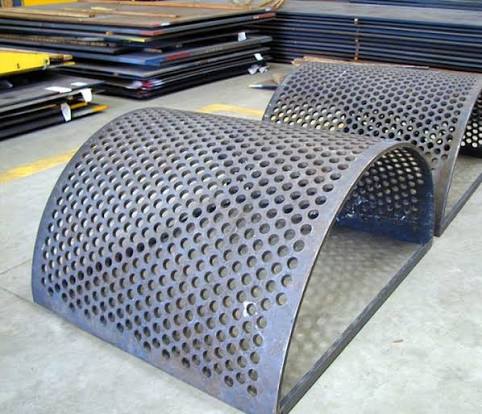
Wear Liner Plates, Wear Liner Plates Manufacturers, Wear Liner Plates Suppliers, Wear Liner Plates Stockists, Wear Liner Plates Exporters
Wear liner plates are replaceable protective components manufactured from wear-resistant materials. Depending on the application, they may be produced from abrasion-resistant steel, hardened steel, chromium carbide overlay material, manganese steel, ceramic composites or other engineered wear-resistant materials. Each material offers different performance characteristics, so the selection should be based on the actual working conditions rather than hardness alone.
These plates are installed on internal surfaces exposed to material flow, friction or impact. Their purpose is to absorb or resist wear before it reaches the equipment's structural body. When the liner reaches its permissible wear limit, it can be inspected and replaced without necessarily replacing the entire machine or fabricated structure.
Wear liner plates are available in different thicknesses, dimensions, shapes and surface configurations. Depending on the equipment design, they may be supplied as flat plates, cut-to-size sections, curved liners, profiled components or fabricated assemblies. Mounting arrangements can include bolted connections, welded attachments or other suitable fixing systems.
Abrasion resistant steel liner plates are used where equipment surfaces are exposed to continuous rubbing, sliding and contact with abrasive bulk materials. Their wear-resistant properties help protect chutes, hoppers, conveyor systems and other industrial components. Grade, hardness, thickness and fabrication requirements should be evaluated according to the application's impact and abrasion conditions.
Chromium carbide overlay wear liner plates typically consist of a steel base plate with a hard chromium carbide-rich wear-resistant overlay. They are designed for applications involving severe sliding abrasion and can be useful in mineral processing, cement plants, mining equipment and bulk material handling systems. Their suitability depends on overlay composition, thickness, operating temperature, impact severity and the requirements of the equipment.
Manganese steel wear liner plates are commonly selected for applications involving substantial impact and repeated mechanical loading. Certain manganese steel grades can work-harden under impact, making them suitable for selected crusher components, chutes and heavy-duty material handling equipment. They are not automatically the best choice for every abrasion application, so the expected impact and wear mechanisms must be considered.
Ceramic and composite wear liners combine materials with different properties to address demanding wear conditions. Ceramic-based liners can provide high resistance to sliding abrasion, while composite designs may combine a metal backing with ceramic or other wear-resistant elements. These systems are often considered for selected transfer points, pipelines, chutes and equipment handling fine or highly abrasive materials. Impact resistance, attachment method and operating temperature must be checked before selection.
Custom fabricated wear liner plates are produced to match specific equipment geometry and installation requirements. They may include drilled holes, countersunk openings, shaped edges, curved sections or cut-to-size profiles. Accurate measurements and appropriate fabrication procedures help ensure that the liner fits correctly, reduces gaps where material can accumulate and can be installed safely during maintenance.
Wear Liner Plates in India, Wear Liner Plates Manufacturers in India, Wear Liner Plates Suppliers in India, Wear Liner Plates Stockists in India, Wear Liner Plates Exporters in India
Mining operations handle hard, abrasive materials throughout extraction, crushing, screening and conveying processes. Wear liner plates can protect crusher feed chutes, transfer points, ore bins, hoppers, vibrating equipment and mineral handling systems. The correct material depends on ore hardness, particle size, impact energy, moisture and the flow characteristics of the processed material.
Cement plants process raw materials, clinker, coal, limestone and other abrasive substances. Wear liner plates are used in selected chutes, hoppers, silos, conveyors, transfer points and material feeding systems. For these applications, engineers should consider abrasion intensity, temperature exposure, dust conditions and the risk of material buildup when choosing liner materials and designs.
Steel manufacturing and metal processing facilities use material handling systems to move scrap, ores, fluxes, slag and other bulk materials. Wear liners can protect selected bins, transfer chutes, conveyor loading points and processing equipment from abrasion and impact. The liner specification should account for the operating environment, material characteristics and any elevated-temperature exposure.
Power plants that handle coal, biomass, ash or other bulk fuels may use wear liner plates in fuel transfer chutes, hoppers, storage bins and conveying systems. Liners can help control wear in areas exposed to continuous material movement. Where heat, corrosion or ash-related conditions are present, the material and attachment method should be selected to suit the service environment.
Bulk material handling systems depend on reliable movement of materials through conveyors, transfer stations, loading chutes, discharge points and storage equipment. Wear liner plates protect surfaces where material impacts or slides against equipment walls. Correct liner geometry can also support material flow and reduce localised wear, although flow performance depends on the material properties and equipment design.
Wear liner plate specifications vary according to the material grade, manufacturing process, service conditions and equipment design. The following table provides general specification categories. Exact values, grades and applicable standards should be confirmed with the manufacturer for the intended application.
|
Product Name |
Wear Liner Plates |
|---|---|
|
Material Types |
Abrasion Resistant Steel, Chromium Carbide Overlay, Manganese Steel, Ceramic and Composite Materials |
|
Product Forms |
Flat Plates, Cut-to-Size Plates, Curved Liners and Custom Fabricated Components |
|
Thickness |
As per Customer Requirement and Selected Material Grade |
|
Dimensions |
Standard or Custom Dimensions, Subject to Material and Manufacturing Capabilities |
|
Hardness |
Depends on Material Type, Grade and Applicable Specification |
|
Surface Finish |
As Manufactured or as Specified for the Application |
|
Fabrication |
Cutting, Drilling, Shaping and Other Suitable Fabrication Options |
|
Mounting Options |
Bolted, Welded or Other Application-Suitable Attachment Methods |
|
Quality Documentation |
Material Test Certificates and Inspection Documents, Subject to Order Requirements |
|
Industrial Applications |
Mining, Cement, Steel, Power Generation, Mineral Processing and Material Handling |
Choosing a suitable wear liner requires an understanding of the equipment, material being handled and the dominant wear mechanism. A plate that performs well under sliding abrasion may not provide the same service life under heavy impact. Similarly, a very hard material may not be suitable where repeated impact or complex fabrication requirements dominate.
Determine whether the equipment primarily experiences sliding abrasion, impact wear, erosion, corrosion or a combination of these conditions. Sliding abrasion may favour a different liner material from a high-impact crusher chute. Understanding the dominant wear mechanism helps narrow down the material options and reduces the risk of selecting an unsuitable product.
Consider material hardness, particle size, flow speed, moisture, operating temperature and chemical exposure. These factors can influence wear rates, material buildup, corrosion and liner performance. Equipment operating under hot or corrosive conditions may require additional material-selection considerations beyond abrasion resistance.
Accurate dimensions are essential for proper liner fitment. Check plate thickness, mounting-hole locations, edge clearances, curved sections, supporting structures and access for maintenance. The selected attachment method must be compatible with the liner material and equipment design. Welding should only be used where suitable for the selected material and approved installation procedure.
Confirm the material grade, hardness requirements, thickness tolerances and any applicable product standards before ordering. Where required, request material test certificates, inspection reports and traceability documentation. Clear technical requirements help ensure that the supplied wear liner plates meet the intended service conditions.
Standard steel plates are commonly used for structural fabrication and general-purpose applications. However, surfaces exposed to continuous abrasion may require more frequent repairs or replacement when standard steel does not provide sufficient wear resistance. Wear liner plates are selected specifically to protect areas exposed to demanding service conditions.
The main difference is the intended function and material specification. Wear liner plates may use abrasion-resistant steel, hardfacing overlays, ceramics or composite construction to provide wear protection. Standard steel plates may still be suitable for supporting structures, low-wear areas or applications where fabrication and structural properties are more important than abrasion resistance.
The most appropriate choice depends on total operating conditions, service-life expectations, maintenance access and initial cost. A properly specified liner can reduce wear-related maintenance, but its actual performance depends on material selection, installation quality and operating practices.
Correct installation is important for liner performance and operational safety. Before installation, inspect the supporting structure, verify dimensions and confirm that the selected fixing system is appropriate for the liner material. Damaged mounting surfaces, loose fasteners or unsuitable welds can lead to premature liner failure or create a safety risk.
Maintenance frequency should reflect the severity of the application and the manufacturer's recommendations. Areas exposed to high impact, abrasive material flow or frequent changes in operating conditions may require more frequent inspection. Safe isolation and lockout procedures should be followed before personnel inspect or replace liners inside industrial equipment.
Quality wear liner plates should provide a suitable balance of wear resistance, toughness, dimensional accuracy and compatibility with the intended equipment. Selecting a plate only by hardness or price can result in poor performance if the material does not match the actual wear mechanism. Reliable specifications and application-based recommendations are important for achieving consistent results.
Hard-Tuff focuses on wear protection solutions for industrial applications where abrasion and material handling can cause equipment deterioration. Customers should provide details about the operating environment, equipment dimensions, material being processed and expected wear conditions to help identify an appropriate liner configuration.
When evaluating wear liner plates, buyers should review material specifications, available sizes, fabrication capabilities, quality documentation and delivery requirements. A clear technical enquiry supports accurate product selection and helps align the supplied plates with the requirements of the installation.
Wear liner plates are important protective components for industrial equipment exposed to abrasive materials, impact and continuous material movement. Selecting the right liner can help protect equipment structures, support maintenance planning and reduce wear-related interruptions. Material type, hardness, thickness, fabrication, installation and operating conditions should all be considered when specifying a liner.
For industrial wear protection requirements, evaluate the application carefully and confirm the technical specification before ordering. Hard-Tuff can be approached with your equipment details and wear conditions to discuss suitable wear liner plate options for your application.
