Wear Plates for Dredging are specialized wear-resistant materials designed to protect dredging equipment from abrasion, erosion, and mechanical damage during the movement of sand, gravel, silt, clay, rocks, and other underwater sediments. Dredging operations frequently expose equipment to continuous contact with abrasive particles, high material flow, and demanding operating conditions. Suitable wear plates help protect critical components, reduce maintenance requirements, and support reliable dredging operations.
Wear plates used in dredging applications are selected according to the type of sediment, particle size, slurry velocity, impact conditions, and equipment design. Depending on the application, they may include abrasion-resistant steel plates, chromium carbide overlay plates, hardfacing plates, or other specialized wear-resistant materials. Each material offers different properties, making it important to match the plate construction to the actual operating environment.
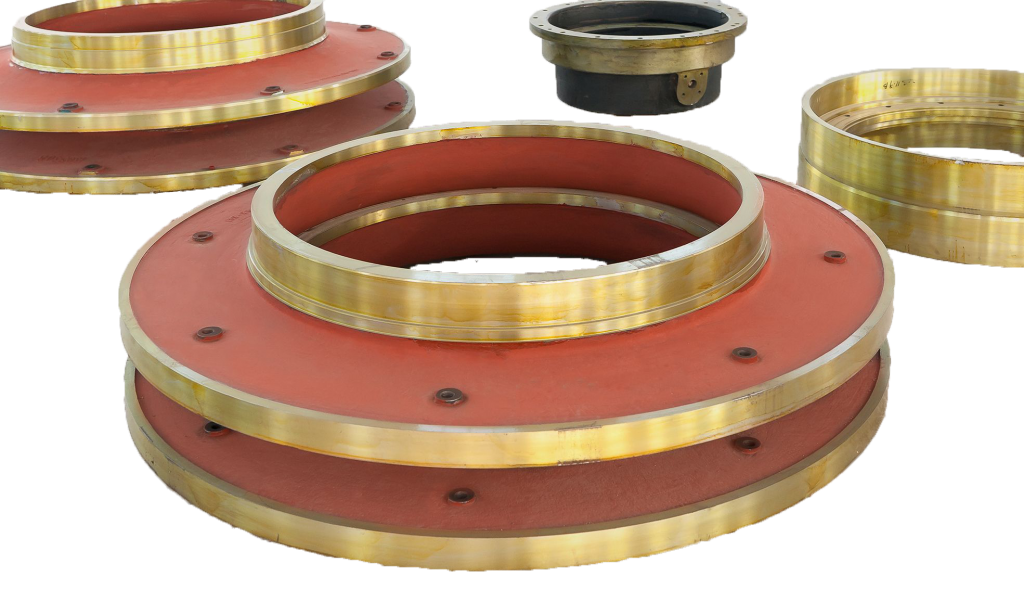
Wear Plates for Dredging, Wear Plates for Dredging Manufacturers, Wear Plates for Dredging Suppliers, Wear Plates for Dredging Stockists, Wear Plates for Dredging Exporters
Hard-Tuff focuses on industrial wear-resistant solutions for demanding applications where abrasion can affect equipment performance and service life. Wear plates for dredging can be considered for suitable slurry pipelines, suction and discharge systems, dredger hoppers, pump components, chutes, and other areas exposed to abrasive material movement. Correct material selection and installation are essential for achieving effective wear protection.
Wear Plates for Dredging are protective plates installed on equipment surfaces exposed to abrasive sediments, slurry, and material movement during dredging operations. These plates are designed to limit surface deterioration caused by friction, particle impact, and erosion. Their composition and construction depend on the severity of wear and the specific requirements of the dredging system.
Dredging equipment often handles mixtures of water and solid particles. Sand and gravel can cause significant abrasion, while rocks and coarse sediments may create localized impact damage. Fine particles moving at high velocities can also contribute to erosion, particularly in bends, pump passages, and areas where slurry flow changes direction.
Wear-resistant plates may be manufactured from abrasion-resistant steel, steel with a welded hardfacing layer, or other specialized material combinations. Chromium carbide overlay plates are frequently considered for severe sliding abrasion, while other materials may be more appropriate where impact resistance, toughness, or corrosion considerations are important. The final selection should reflect the full operating environment rather than hardness alone.
The performance of dredging wear plates depends on material composition, plate thickness, hardness, toughness, surface characteristics, and the operating conditions of the equipment. The following properties are important when selecting a suitable product.
Sand, gravel, and mineral-rich sediments can gradually wear equipment surfaces during continuous dredging operations. Wear plates provide a protective layer between the abrasive material and the underlying equipment. When the plate material is correctly selected, it can help reduce wear in high-contact areas and preserve the integrity of critical components.
Frequent wear can increase maintenance costs through component repairs, replacement work, and equipment inspections. Installing suitable wear plates in high-wear locations may reduce the rate of material loss and help extend maintenance intervals. The actual improvement depends on sediment characteristics, slurry velocity, installation quality, and the operating conditions of the dredging system.
Unplanned maintenance can interrupt dredging schedules and affect project productivity. Appropriate wear protection helps reduce the likelihood of premature surface deterioration in selected components. Combined with regular inspections and planned maintenance, wear plates can support more predictable equipment operation.
Dredging systems contain several components exposed to abrasive material flow, including pipelines, pump housings, hoppers, chutes, and suction or discharge assemblies. Wear plates can be installed in suitable areas to reduce direct exposure of the underlying structure. The plate design should account for component geometry, slurry flow, attachment requirements, and the potential for localized impact.
Replacing a wear plate may be less expensive than repairing or replacing an entire equipment component. A suitable wear-resistant material can help control maintenance expenses by protecting critical surfaces and reducing replacement frequency. Lifecycle cost assessments should consider initial material cost, installation, downtime, inspection requirements, and expected service life.
Wear Plates for Dredging in India, Wear Plates for Dredging Manufacturers in India, Wear Plates for Dredging Suppliers in India, Wear Plates for Dredging Stockists in India, Wear Plates for Dredging Exporters in India
Dredger hoppers and chutes handle collected sediments as material moves through the dredging system. Sand, gravel, and rocks can cause sliding abrasion and localized impact on internal surfaces. Wear plates can protect selected high-wear areas and help maintain equipment integrity. Plate thickness and material composition should be selected according to the sediment type, loading conditions, and expected wear rate.
Dredging pipelines transport slurry containing water and solid particles. Abrasive materials can gradually wear the internal surfaces of pipelines, especially near bends, elbows, reducers, and changes in flow direction. Suitable wear-resistant liners or plate-based protection may be used where the pipeline design permits. Selection must account for flow velocity, pressure, pipeline geometry, attachment methods, and slurry characteristics.
Dredge pumps handle abrasive slurry under demanding operating conditions. Solid particles passing through the pump can cause wear in selected internal components and flow passages. Wear-resistant materials may be used in appropriate pump components, liners, and related assemblies. Product suitability depends on pump design, particle size, slurry concentration, operating speed, and manufacturer recommendations.
Suction and discharge systems transport sediments from the dredging location to the discharge point. These systems may experience abrasion, erosion, and impact as solid particles move through pipes, bends, and related equipment. Suitable wear-resistant plates or liners can help protect exposed areas where the design allows their installation. The selected material should be compatible with the operating pressure and flow conditions.
Marine and harbour dredging projects remove sediment from ports, channels, basins, and coastal areas. The material may include sand, gravel, clay, rocks, and mineral deposits. Wear plates can help protect selected equipment surfaces from abrasion during sediment handling. In marine environments, material selection should also consider water exposure, corrosion risks, and the maintenance requirements of the installation.
River and canal dredging operations remove accumulated sediment to maintain water depth and improve waterway conditions. Equipment may encounter varying sediment compositions, from fine silt to coarse sand and gravel. Wear plate selection should account for changing material conditions, the frequency of operation, and the type of dredging equipment used.
Sand and gravel dredging involves moving abrasive materials through extraction, conveying, and separation equipment. Wear plates may be used in selected chutes, hoppers, transfer points, and material-handling systems. The appropriate product depends on particle hardness, size distribution, flow rate, and the balance required between abrasion resistance and impact toughness.
Specifications vary according to the plate material, manufacturing process, equipment design, and dredging conditions. The following table outlines general specification categories. Actual values for hardness, chemical composition, dimensions, and performance should be confirmed through the manufacturer's technical datasheet.
|
Product Name |
Wear Plates for Dredging |
|---|---|
|
Product Type |
Industrial Wear-Resistant Plates and Liners |
|
Material Type |
Abrasion-Resistant Steel, Hardfacing Plates, Chromium Carbide Overlay Plates, or Other Suitable Wear-Resistant Materials |
|
Base Material |
As Per Selected Product Grade and Construction |
|
Surface Layer |
As Applicable to the Selected Plate Type |
|
Hardness |
Grade-Dependent; Confirm with the Manufacturer's Technical Datasheet |
|
Thickness |
As Per Equipment Design, Wear Conditions, and Customer Requirements |
|
Length and Width |
Standard or Custom Dimensions, Subject to Product Availability |
|
Manufacturing Process |
Depends on the Selected Wear Plate Material and Construction |
|
Wear Resistance |
Selected According to Abrasion, Erosion, and Impact Conditions |
|
Corrosion Resistance |
Depends on Material Composition and Exposure Conditions |
|
Fabrication |
Cutting, Shaping, Drilling, or Other Approved Processes Depending on Product Design |
|
Installation Method |
Welding, Bolting, Mechanical Fixing, or Approved Lining Systems Depending on the Application |
|
Applications |
Dredger Hoppers, Chutes, Pipelines, Pump Systems, Suction and Discharge Equipment, and Sediment Handling Systems |
|
Customization |
Subject to Product Availability, Manufacturing Capabilities, and Customer Requirements |
Selecting the right wear plates requires a detailed understanding of the dredging operation. Sediment composition, particle size, slurry velocity, impact conditions, and equipment geometry all influence wear performance. Reviewing these factors before ordering can help identify a suitable material and plate configuration.
Standard steel plates are used in many structural and equipment applications because of their strength, availability, and fabrication characteristics. However, surfaces exposed to abrasive slurry and sediment may wear faster than expected if the steel grade is not suitable for the operating conditions. Wear plates are selected specifically to provide improved resistance to the dominant wear mechanism.
Abrasion-resistant steel plates may be suitable for applications that require a balance of hardness and toughness. Chromium carbide overlay plates are often considered for severe sliding abrasion, while other hardfacing materials may be more appropriate for different combinations of abrasion and impact. No single wear plate is ideal for every dredging application.
The selection should consider sediment characteristics, equipment geometry, slurry velocity, corrosion exposure, impact severity, and the required service life. Comparing technical data and expected lifecycle costs helps determine whether a specialized wear plate offers an advantage over standard steel.
Regular inspection helps identify wear and damage before it affects the performance of dredging equipment. Inspection frequency should be based on operating severity, the importance of the component, and the manufacturer's recommendations.
Hard-Tuff focuses on industrial wear-resistant solutions for equipment operating under demanding conditions. Choosing a suitable wear plate requires matching the material's properties to the sediment characteristics, equipment design, and operating environment. Proper selection can help protect vulnerable surfaces and support more predictable maintenance planning.
When evaluating wear plates for dredging, customers should confirm product availability, material grade, hardness, plate dimensions, technical documentation, and installation requirements. Sharing details about the dredging equipment, sediment type, slurry conditions, and expected operating life can help determine whether a particular wear-resistant product is suitable.
Wear Plates for Dredging help protect equipment exposed to abrasive sediments, slurry erosion, and demanding material-handling conditions. Selecting the appropriate plate can reduce wear-related damage, support equipment reliability, and help control maintenance costs. The best solution depends on sediment characteristics, slurry velocity, impact conditions, corrosion exposure, plate dimensions, and installation requirements. Contact Hard-Tuff to discuss your dredging application and identify suitable wear-resistant plate options.
